📊 Full opportunity report: The Memory Squeeze: Why Your RAM Bill Doubled on ThorstenMeyerAI.com — validation score, market gap, and execution plan.

Get everyday essentials delivered free — and shop member deals
- Fast, free delivery on millions of items
- Access to Prime Big Deal Days deals on October 6–7
- Prime Video, Amazon Music and more included
TL;DR
DRAM prices have doubled or more, with consumer RAM now costing several times more than last year. The shift is driven by a deliberate reallocation of chip capacity toward AI, not a temporary shortage. Major manufacturers prioritize high-margin AI memory, causing supply constraints for consumer products.
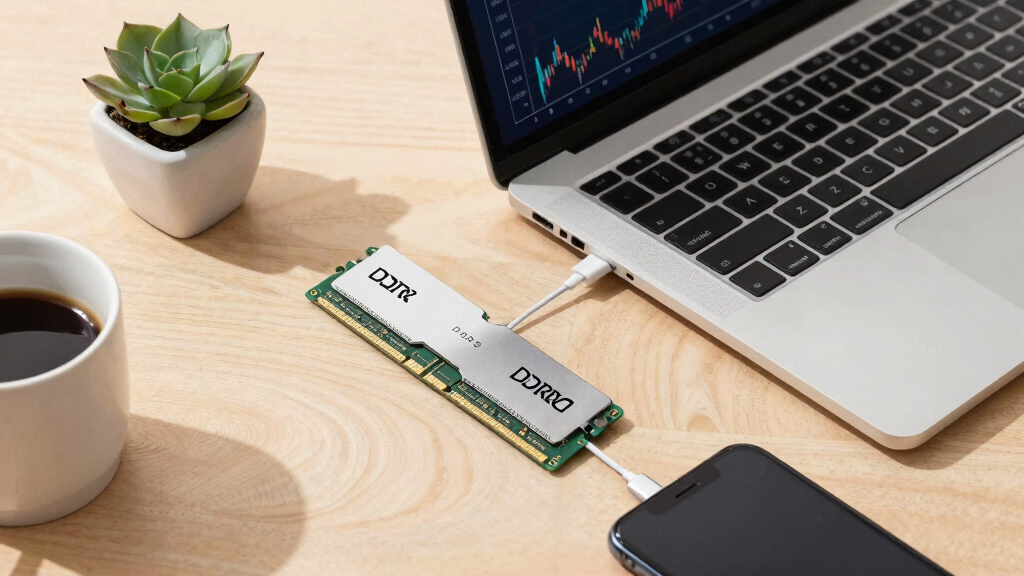
DRAM prices have surged by up to 600% since 2024, with the cheapest 32GB DDR5 kits now costing around $375, compared to approximately $100 a year earlier. This sharp increase is driven by a reallocation of chip manufacturing capacity toward high-margin AI memory modules, primarily HBM, rather than a supply shortage or market correction, according to industry sources.
The cost of consumer DRAM has doubled or tripled in recent months, making RAM the most expensive component in many PC builds. Major manufacturers—Samsung, SK Hynix, and Micron—are shifting their wafer output from standard DDR5 to High Bandwidth Memory (HBM), which is used in AI accelerators. HBM modules sell for roughly $60 to $100, while DDR5 modules typically fetch $5 to $10 per unit, incentivizing the switch.
This capacity shift is not a temporary supply hiccup but a deliberate economic choice. HBM’s physical inefficiency means that each wafer allocated to AI memory reduces the supply of consumer DRAM by three to four times, further constraining the market. As a result, DRAM wafer output dedicated to AI now accounts for about 23%, up from 19% last year, with AI expected to consume roughly 20% of all DRAM capacity in 2026.
Industry analysts note that this is a different kind of shortage because it is driven by strategic capacity reallocation rather than capacity expansion. Manufacturers are managing scarcity by maintaining high margins and limiting supply growth, even as demand for memory continues to rise sharply.
Why your RAM bill doubled
“Doubled” is the polite version — consumer DRAM is running 3–6× its 2024 lows. The boom-bust cycle that always brought cheap RAM back isn’t coming this time, because the factories that make your RAM now make something far more profitable instead.
HBM
This is the quiet tax on the whole AI era. Relief isn’t forecast before 2028, and even then prices may settle 30–50% above pre-crisis levels. Buy what you genuinely need now; don’t panic-buy capacity you won’t use. You can’t out-wait the fab math — but, as this series will show, you can shrink what you need. Next: HBM Ate the Fab.
Impacts on Consumers and PC Market Prices
The ongoing reallocation of DRAM capacity toward AI impacts the entire tech supply chain. Consumers face higher prices for RAM, with some manufacturers raising prices by 50% or more. Major PC makers, including Apple and Dell, have announced or implemented price hikes, and some suppliers have ceased consumer memory production altogether, shifting focus to enterprise AI markets. This trend could lead to persistent shortages and higher costs for PC components, affecting consumers and OEMs alike.
As an affiliate, we earn on qualifying purchases.
Historical Patterns and Current Market Dynamics
Previous memory shortages were typically resolved through increased capacity and market flooding, leading to price drops. However, this time, the shortage stems from a strategic shift by the three dominant DRAM producers—Samsung, SK Hynix, and Micron—to prioritize high-margin AI memory modules. These firms control approximately 95% of the DRAM market and have historically coordinated pricing, though no collusion is currently documented. The demand side is also heavily committed, with hyperscalers placing open-ended orders and long-term contracts locking in supply through 2030, reducing available stock for consumer markets.
In addition, the physical and economic limits of HBM manufacturing mean that increased AI memory production effectively reduces the supply of consumer RAM, creating a structural shortage that is unlikely to resolve soon.
“The company shifted focus from consumer to enterprise AI markets, retiring its Crucial brand in February 2026.”
— Micron representative
As an affiliate, we earn on qualifying purchases.
Unresolved Questions About Market Manipulation and Future Supply
While current prices are attributed to strategic capacity shifts driven by AI demand, questions remain about whether any collusion or market manipulation influences pricing. Although no recent antitrust actions are reported, the high market concentration and past collusion cases raise concerns. Additionally, the precise timeline for new capacity expansion remains uncertain, with significant fab expansions not expected until 2027–2028, leaving the supply crunch unresolved in the near term.
As an affiliate, we earn on qualifying purchases.
Upcoming Capacity Expansions and Market Adjustments
Industry experts expect new fabs to begin ramping up production around 2027–2028, potentially alleviating some supply pressures. Meanwhile, buyers should anticipate continued high prices and possible shortages, especially for consumer-grade RAM. OEMs and consumers may need to adapt to the ongoing reallocation, with further price hikes and supply constraints likely until new capacity comes online.
As an affiliate, we earn on qualifying purchases.
Key Questions
Why are DRAM prices increasing so rapidly in 2026?
The increase is primarily due to a strategic shift by major manufacturers toward high-margin AI memory, reducing supply of consumer RAM. This reallocation limits available stock, driving prices up.
Will consumer RAM prices go back down soon?
Not likely in the near term. Capacity expansion is expected only around 2027–2028, and current supply management strategies favor high-margin AI memory, keeping prices high.
Are collusion or market manipulation involved in the current price hike?
There is no documented evidence of collusion this time. The prices are attributed to deliberate capacity reallocation, though the market remains highly concentrated, which raises ongoing concerns.
How will this affect PC building and upgrades?
Higher RAM prices and shortages may lead to increased costs for PC components, delays, and limited availability of consumer-grade memory modules until new capacity is built.
What can consumers and companies do to mitigate these costs?
Consumers might consider delaying upgrades or exploring alternative memory options, while OEMs may need to adjust pricing strategies or stock planning in response to ongoing shortages.
Source: ThorstenMeyerAI.com
Fall Picks
fall essentials
As an affiliate, we earn on qualifying purchases.