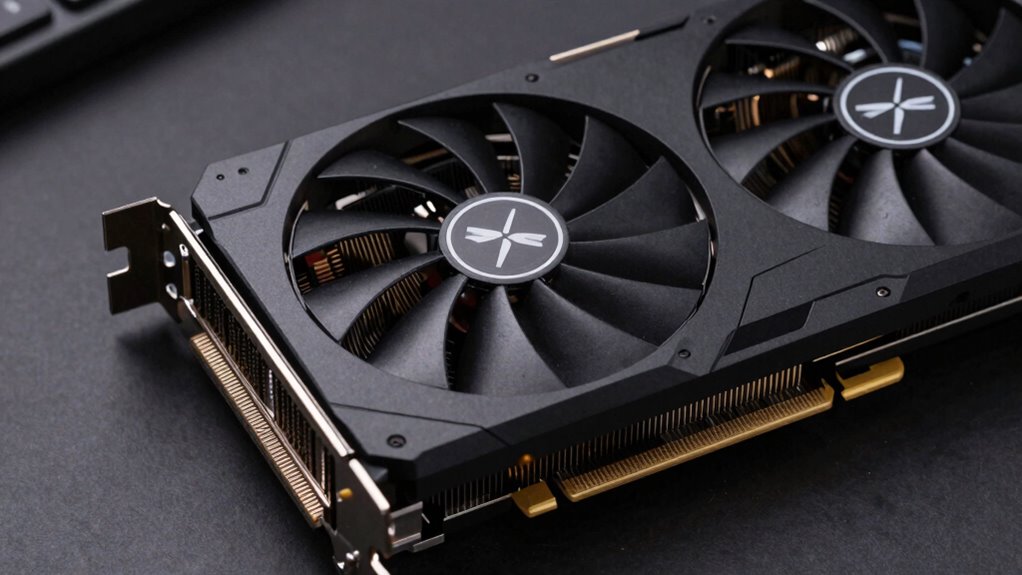

Professional graphics cards cost more because they use advanced hardware and manufacturing standards designed for reliability, precision, and long-term stability. They include features like larger VRAM, ECC memory, and support for double-precision computing, which boost performance for complex tasks. Higher-quality materials, custom chips, and enhanced cooling also drive up costs. If you want to understand what makes these cards so specialized and worth the price, there’s more to discover below.

Get everyday essentials delivered free with Prime
- Fast, free delivery on millions of items
- Prime Video, Amazon Music and more included
- Member-only deals all year
Key Takeaways
- Professional cards use higher-grade materials and undergo rigorous testing, increasing manufacturing costs beyond gaming GPUs.
- They feature specialized hardware like ECC memory and double-precision support, which are costly to develop and produce.
- Enhanced cooling solutions and durability standards ensure stability for long-term, critical tasks, raising overall expenses.
- Extended R&D cycles and custom-designed chips contribute to higher production costs compared to standard gaming GPUs.
- Market pricing reflects the advanced technology, reliability, and performance required for professional workflows, not just raw power.
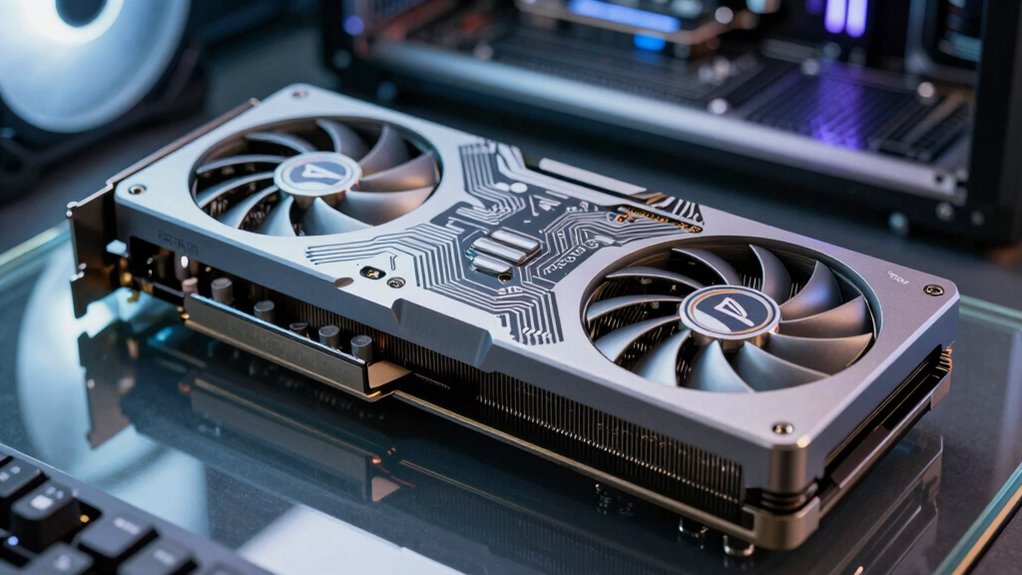
Despite expectations that graphics card prices would stabilize, recent market trends have caused them to climb higher than anticipated. If you’ve been trying to upgrade your setup or invest in a professional-grade card, you might be surprised by how much more they cost compared to typical gaming cards. The gap stems from a few key factors, with performance improvements and manufacturing costs playing leading roles.
Professional graphics cards are built to deliver high-end performance and reliability, often exceeding what standard consumer models can provide. They feature advanced hardware capabilities, optimized drivers, and support for complex workflows like 3D rendering, CAD, AI, and scientific simulations. These performance improvements require more sophisticated components and stricter quality controls, which naturally drive up manufacturing costs. When a manufacturer invests in higher-grade materials, more rigorous testing, and enhanced durability, those costs get passed along to you. As a result, professional cards are not just about raw power—they’re about precision, stability, and longevity, all of which add to their price tag.
Additionally, the manufacturing process itself becomes more complex with professional-grade cards. The chips used are often custom-designed or heavily modified to meet specific professional needs, which means longer R&D cycles and more expensive fabrication. These manufacturing costs aren’t just about the raw materials but also include the precision needed for high-performance cores, improved cooling solutions, and extensive quality assurance measures. This meticulous production process ensures that the cards can handle demanding workloads without failure, but it also means the costs are significantly higher than for standard gaming cards. Furthermore, the specialized manufacturing processes required for these high-end components contribute significantly to the overall price.
You might notice that professional graphics cards also come with features that aren’t necessary for gaming but are essential for professional work, such as larger VRAM capacities, ECC memory, and enhanced double-precision computing. These features not only improve performance in specialized applications but also raise the manufacturing costs and, consequently, the price you see on the market. Moreover, the custom-designed chips used in these cards are often the result of extensive research and development efforts, further elevating their costs.
In the end, the higher cost of professional graphics cards isn’t just about inflated prices or market speculation; it’s a reflection of the advanced technology, rigorous manufacturing standards, and performance improvements that set these cards apart. If you’re considering a purchase, understand that you’re paying for a tool designed for precision, stability, and longevity—qualities that come at a premium. While gamers might settle for more affordable options, professionals who rely on these cards for critical tasks recognize their value in the higher price point.
professional graphics card with ECC memory
As an affiliate, we earn on qualifying purchases.
As an affiliate, we earn on qualifying purchases.
Frequently Asked Questions
How Do Professional Graphics Cards Impact Overall Workstation Performance?
Professional graphics cards considerably boost your workstation’s performance by enhancing rendering accuracy, ensuring precise visuals for complex tasks. They also offer superior hardware scalability, allowing you to handle larger projects and multitask efficiently. This means your workflow becomes smoother, and productivity improves. While they cost more, their advanced features and reliability make them essential for professional workloads, ultimately delivering better results and saving you time on demanding creative or scientific tasks.
Are Professional GPUS Compatible With Gaming Setups?
Like fitting a puzzle piece, professional GPUs can work with gaming setups, but it’s not always seamless. You need to check hardware compatibility first, as some components might not support the card’s features. Additionally, software integration can be tricky—professional cards excel in specialized applications but may lack optimized drivers for gaming. So, while compatible, they might not deliver the best gaming experience or value compared to consumer-grade GPUs.
What Is the Typical Lifespan of a Professional Graphics Card?
A professional graphics card usually lasts around 3 to 5 years, thanks to high hardware durability designed for intensive workloads. You’ll benefit from better build quality and often longer warranty coverage, which helps protect your investment. Regular maintenance and proper cooling can extend its lifespan even more. While they cost more upfront, their durability and warranty support make them a reliable choice for demanding tasks over the years.
Do Professional Graphics Cards Require Special Cooling Solutions?
You might think professional graphics cards need special cooling solutions, but that’s not always the case. Their cooling requirements mainly depend on thermal management needs, which are higher due to continuous heavy workloads. Some models feature advanced cooling systems, like larger heatsinks and multiple fans, to maintain ideal temperatures during intense tasks. So, while not always necessary, better cooling can enhance performance and longevity of professional GPUs.
How Do Software Optimizations Differ Between Professional and Gaming GPUS?
You’ll notice software optimizations differ mainly in driver stability and the software ecosystem. Professional GPUs prioritize driver stability to guarantee consistent performance for critical tasks, so updates are tested extensively. Their software ecosystem offers specialized tools for tasks like CAD or 3D rendering, unlike gaming GPUs, which focus on maximizing frame rates and game compatibility. This tailored optimization ensures professionals get reliability and precision, justifying the higher cost.
high-end workstation GPU for CAD and 3D rendering
As an affiliate, we earn on qualifying purchases.
As an affiliate, we earn on qualifying purchases.
Conclusion
So, next time you’re surprised by the price tag on a professional graphics card, remember it’s not just about gaming—these cards handle complex tasks that demand top-tier hardware. Their higher cost reflects cutting-edge technology, reliability, and performance. Isn’t it worth investing a little more for professional-grade results? Ultimately, understanding what goes into these cards helps you appreciate their value beyond just gaming needs. After all, isn’t quality worth paying for?
double-precision computing graphics card
As an affiliate, we earn on qualifying purchases.
As an affiliate, we earn on qualifying purchases.
professional graphics card with enhanced cooling
As an affiliate, we earn on qualifying purchases.
As an affiliate, we earn on qualifying purchases.
Fall Picks
fall essentials
As an affiliate, we earn on qualifying purchases.