

AI is reshaping your legal career by automating routine tasks like document review and research, freeing you from mundane work. This automation allows you to focus on strategic analysis and client counseling, effectively augmenting your skills. Instead of replacing lawyers, AI acts as a partner that enhances your capabilities, provided you stay informed about ethical considerations and emerging technologies. To explore how to navigate this evolving landscape successfully, keep exploring these essential insights.
Key Takeaways
- AI automates routine legal tasks, increasing efficiency but potentially reducing certain job roles.
- Augmentation involves AI assisting lawyers in complex decision-making, enhancing their expertise.
- The shift emphasizes developing skills in interpreting AI insights and leveraging technology responsibly.
- Ethical oversight is crucial to prevent bias and ensure transparency in AI-driven legal processes.
- Embracing AI as a partner fosters a collaborative legal workforce focused on strategic and high-value work.

Artificial intelligence is rapidly transforming the legal workforce, reshaping how legal work gets done. As you integrate AI tools into your daily tasks, it’s crucial to consider the ethical considerations that come with automation. AI can process vast amounts of data quickly, but without proper oversight, it risks perpetuating biases or making decisions that lack transparency. You need to stay vigilant about the ethical implications, ensuring that the use of AI aligns with the core principles of fairness, confidentiality, and accountability. This means scrutinizing algorithms for bias, maintaining oversight over AI-driven decisions, and being transparent with clients about how AI influences their cases. Balancing innovation with responsibility is critical, and that starts with understanding the ethical landscape surrounding AI in law.
Alongside ethical considerations, skill development becomes more important than ever. As AI takes over routine tasks like document review, legal research, and contract analysis, your role shifts toward higher-level strategic thinking and nuanced interpretation. To stay relevant, you must continuously develop new skills that complement AI capabilities. This could include learning how to interpret AI-generated insights, understanding how to program or customize AI tools, or honing your expertise in areas where human judgment remains vital, such as client counseling or complex negotiations. Embracing lifelong learning not only enhances your value but also ensures you’re equipped to oversee and augment AI systems effectively. The more you understand about how AI works, the better you can leverage it ethically and efficiently.
Moreover, skill development involves adapting your mindset to view AI as a partner rather than a threat. Instead of fearing job displacement, see AI as a tool that can augment your abilities, freeing you from mundane tasks so you can focus on strategic, high-impact work. This shift requires you to stay updated on emerging technologies and to be proactive in acquiring new competencies. Training programs, workshops, and certifications can help you build confidence and competence in AI-related skills, positioning you as a forward-thinking legal professional. Ultimately, your ability to navigate the ethical landscape and develop relevant skills will determine how successfully you integrate AI into your practice. By doing so, you not only enhance your own career trajectory but also contribute to a more responsible and effective legal system that leverages technology ethically.
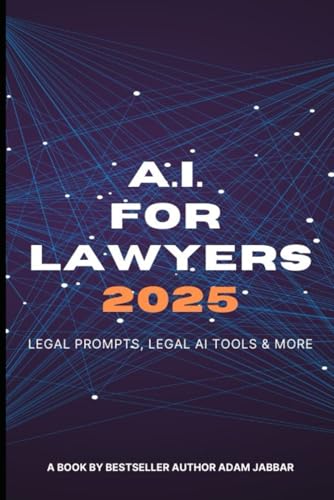
AI For Lawyers: 2025: Legal Prompts, Legal AI Tools & More
As an affiliate, we earn on qualifying purchases.
As an affiliate, we earn on qualifying purchases.
Frequently Asked Questions
How Will AI Impact Legal Job Security Long-Term?
AI will likely reshape your legal job security long-term by automating routine tasks, but it also offers opportunities for augmentation. You’ll need to stay updated on AI ethics and data privacy to remain valuable, as these are critical in ensuring responsible AI use. Embracing AI tools can enhance your efficiency, but continuous learning and adaptation are essential to safeguard your career amidst evolving technology.
What Skills Will Lawyers Need in an Ai-Driven Future?
In an AI-driven future, you’ll need strong skills in legal research and contract analysis. Embrace technology to streamline tasks and stay ahead. Develop critical thinking, problem-solving, and adaptability, so you can analyze AI outputs effectively. Building expertise in ethical considerations and client communication will also set you apart. By blending technical skills with legal knowledge, you’ll remain valuable and competitive in the evolving legal landscape.
How Do Ethical Considerations Influence AI Adoption in Law?
Ethical considerations, like addressing algorithmic bias and moral responsibility, greatly influence your AI adoption in law. You need to guarantee AI systems are fair, transparent, and accountable to avoid biased outcomes that could harm clients or undermine justice. By proactively managing these issues, you demonstrate your commitment to ethical practice, build trust, and comply with legal standards, ultimately guiding responsible AI integration into your legal work.
What Are the Legal Liabilities of AI Errors?
Think of AI errors as a misstep on a tightrope—you’re responsible for the fall. In legal settings, liability frameworks and accountability standards determine who’s on the hook. If AI makes a mistake, you could face legal liabilities, especially if negligence or failure to supervise is proven. It’s essential to establish clear standards to assign responsibility, ensuring you’re prepared for any missteps and can uphold justice and trust in your work.
How Can Small Firms Leverage AI Without Extensive Resources?
You can leverage AI in your small firm by exploring affordable solutions that fit your budget. Focus on scalable integration, starting with simple tools like contract analysis or document review software. Partner with providers offering flexible plans, and gradually expand as you see results. This approach allows you to enhance efficiency without heavy investments, helping you stay competitive and maximize AI’s benefits while managing risks effectively.

Apple Pages: The Complete Beginner Guide: Unlock the Hidden features to Create, Edit, and Design Stunning Documents on your device Like Pro (Technology Update, Gadgets, AI, Inventions and Reviews)
As an affiliate, we earn on qualifying purchases.
As an affiliate, we earn on qualifying purchases.
Conclusion
As you stand at the crossroads of innovation, remember that AI isn’t a storm to fear but a tide to ride. It can sweep away routine tasks, freeing you to focus on the art of law—your true compass. Embrace this technological dance, where automation and augmentation intertwine, guiding you toward a future where your skills shine brighter. Together, you and AI can navigate uncharted waters, transforming challenges into opportunities on your legal journey.
legal AI training courses
As an affiliate, we earn on qualifying purchases.
As an affiliate, we earn on qualifying purchases.
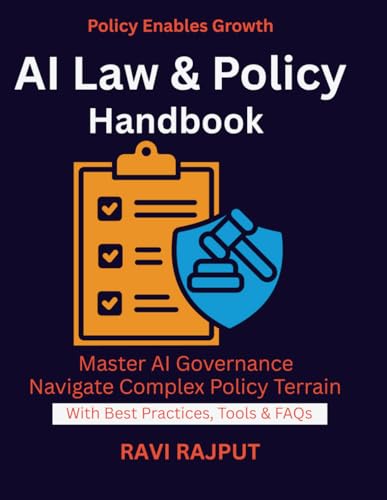
AI Law & Policy Handbook: AI Ethics in Law | Global AI Frameworks | Responsible AI adoption strategies | AI law regulations expert tips | Digital transformation AI guide | Policy-Driven AI Adoption
As an affiliate, we earn on qualifying purchases.
As an affiliate, we earn on qualifying purchases.