📊 Full opportunity report: Can Young Athletes Train With Pro Form Benchmarks? on IdeaNavigator AI — validation score, market gap, and execution plan.

Get everyday essentials delivered free with Prime
- Fast, free delivery on millions of items
- Prime Video, Amazon Music and more included
- Member-only deals all year
TL;DR
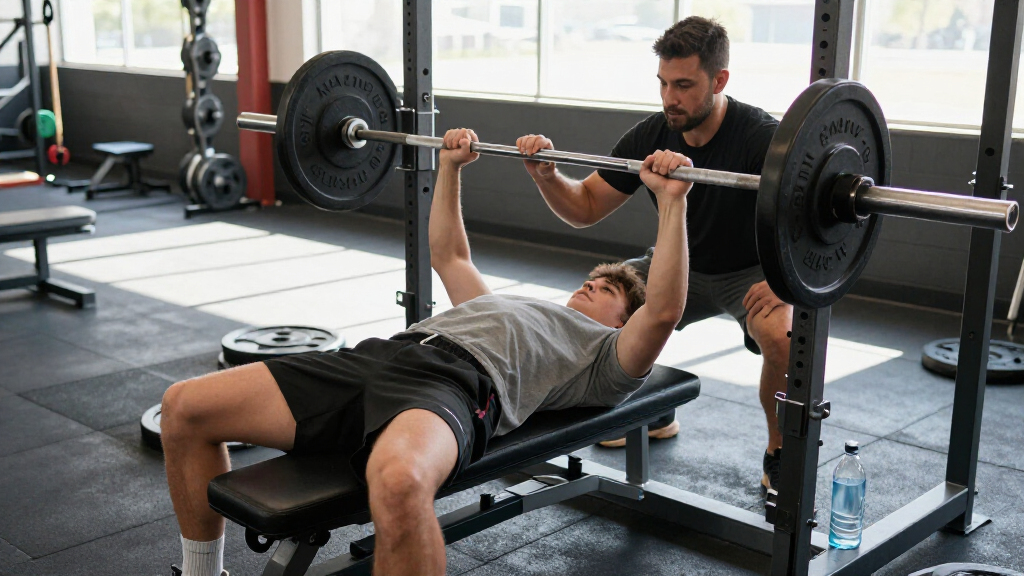
IdeaNavigator AI has proposed testing a phone app that compares young athletes’ movements with professional reference mechanics and recommends a drill. The idea remains a product proposal: its accuracy, safety, and value have not been established, and the suggested first test is a baseball-hitting pilot reviewed by certified coaches.
IdeaNavigator AI has proposed testing a phone-based form-grading app for young athletes who practice without a private coach. The concept would compare a filmed movement with professional reference mechanics, grade selected checkpoints and recommend a drill, but it is a proposal—not a validated product or a reported launch.
The suggested first customer is a parent of a young athlete practicing without individual coaching. The problem the proposal aims to address is that children may repeat swings, throws or running strides without feedback, allowing mechanical errors to go unnoticed. The proposal says private coaching can cost $75 to $150 per session; it does not provide a location, date range or pricing survey for that figure.
The minimum version would let a family film a repetition on a phone, then display the athlete’s movement alongside a reference profile derived from professional mechanics. It would grade selected points—such as hip rotation, release angle or stride—and prescribe one drill per session for the largest identified gap. The proposal does not specify which sports or movements would be supported beyond the examples it lists.
For an initial test, IdeaNavigator AI suggests focusing on baseball hitting and asking certified coaches to compare the app’s grades with their own assessments across 100 children. The idea also proposes family subscriptions organized by sport and a coach tier for team use. No subscription prices, development schedule, participating coaches or pilot results are provided.
Testing Feedback Without Private Coaches
If it can be shown to assess movements reliably, a phone-based tool could give families a way to review practice between coaching sessions. That could be relevant for athletes whose parents cannot arrange regular one-to-one instruction, although the proposal has not shown that the app would reduce coaching costs or improve performance.
The suggested coach review is central to the idea, not a finished assurance of quality. One hundred children could provide an initial comparison, but the proposal does not explain how the participants would be recruited, how many coaches would assess them, or how agreement between app and coach would be measured. Until those details and results exist, claims about accuracy, injury prevention or better technique remain unproven.
There is also a practical distinction between identifying a visible movement difference and establishing that it is harmful. Young athletes vary in size, strength, experience and development. A grade against a professional reference could be misleading if it treats one model of technique as appropriate for every child. The app’s intended role would need to be clear: practice feedback is not automatically a substitute for individualized coaching or medical advice.
As an affiliate, we earn on qualifying purchases.
From Phone Tracking to a Youth Pilot
The proposal rests on the view that pose-estimation software can run on phones well enough to compare a user’s movements with reference profiles. It describes that capability as making feedback accessible through a free tier, but gives no benchmark results, tested devices, error rates or technical documentation. That makes the technology premise a claim within the proposal rather than a demonstrated result for this particular product.
The suggested sequence is narrow: start with baseball hitting, record repetitions, grade a small set of checkpoints, and have certified coaches review the outputs for 100 young athletes. This is a proposed validation plan; the material does not say that the test has begun or that any app is available. Team use and family subscriptions are possible business models in the concept, not confirmed services.
As an affiliate, we earn on qualifying purchases.
Accuracy, Safety and Pilot Status
No app, completed trial or measured results are described. It is unclear whether the phone-based system can reliably identify the listed mechanics across different ages, body types, camera angles and recording conditions. The proposal provides no information on how its professional reference profiles would be selected or adapted for children.
It is also unknown whether coaches would agree with the app’s grades, whether the recommended drills would be appropriate for each athlete, or whether use would affect technique, performance or injury rates. The cited $75-to-$150 coaching cost is not tied to a stated market or evidence base. Privacy practices for recordings of children, subscription pricing and the identity of any developer or pilot partners are not specified.
As an affiliate, we earn on qualifying purchases.
Coach Review Before Wider Use
The next step described in the proposal is a baseball-hitting pilot with certified coaches comparing app grades against their assessments for 100 children. No schedule, recruitment plan or participating organizations have been announced in the material, so it is not clear when—or whether—that test will take place.
For the concept to move beyond an idea, developers would need to report how grading is performed, how often coaches concur, and how the system handles differences among young athletes. Results on usability, privacy and the suitability of the drills would also help families and coaches judge whether the app can serve as a practice aid. Until such evidence is available, the proposed benchmarks and subscription model remain untested.
Source: IdeaNavigator AI
As an affiliate, we earn on qualifying purchases.
Key Questions
Is a youth form-grading app already available?
The information describes a product proposal, not a launched app. It gives no release date or download details.
How would the proposed app assess an athlete?
A user would film a repetition on a phone. The app would compare the movement with professional reference mechanics, grade selected checkpoints and suggest a drill, according to the concept.
What sport would be tested first?
The proposed first pilot focuses on baseball hitting. The plan calls for certified coaches to compare the app’s assessments with their own for 100 children.
Has the app’s accuracy been demonstrated?
No accuracy results are provided. Coach agreement, performance effects and the suitability of the reference mechanics for children remain unverified.
Would the app replace a private coach?
The proposal frames it as feedback for practice, particularly for families without a private coach. It does not establish that the tool can replace individualized coaching or medical guidance.
Source: IdeaNavigator AI
Halloween Picks
halloween
As an affiliate, we earn on qualifying purchases.