
TL;DR

Get everyday essentials delivered free with Prime
- Fast, free delivery on millions of items
- Prime Video, Amazon Music and more included
- Member-only deals all year
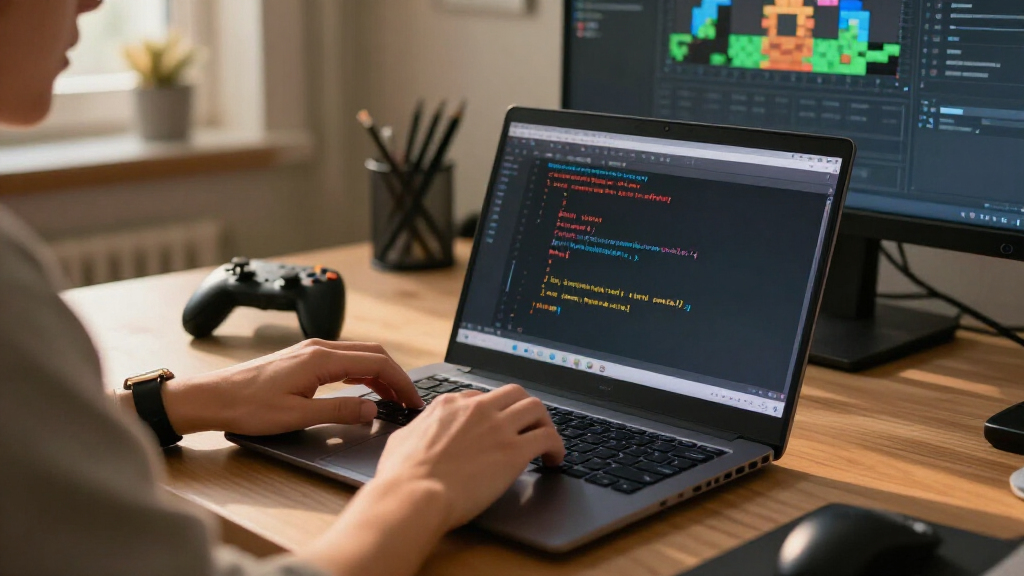
Anthropic added an instruction to Claude Code telling it not to recreate a specific existing game, even under a different name. The company says the change applies its existing policy against intellectual property infringement; original games and genre projects remain allowed.
Anthropic has added an instruction to Claude Code telling the AI coding tool not to recreate a specific existing game, even if the project is renamed or described as original. The company confirmed the change on October 30, saying it is meant to steer users away from using Claude to infringe intellectual property; requests for original games, genre games and projects based on a user’s own designs and assets remain permitted.
The new wording says Claude Code should build “original games, games in a genre, and games from the user’s own designs and assets.” It tells the tool not to build “a recreation of a specific existing game, even if it is renamed or called original.” XDA reported finding the instruction in Claude Code version 2.1.314. The source article says it independently found the same wording in versions 2.1.314 and 2.1.316, but not in 2.1.312.
An Anthropic spokesperson referred Game Developer to a statement by Addy Osmani, a member of the company’s technical staff. Osmani said the instruction steers Claude Code away from “recreating someone else’s specific game because using Claude to infringe IP is against our usage policy.” Anthropic’s existing Usage Policy already prohibited intellectual property infringement; the change puts a games-specific direction inside its coding tool.
The report does not identify a lawsuit or publisher complaint as the reason for the change. It describes speculation by Kotaku’s writer that Anthropic “was catching some heat,” while noting that the speculation was not sourced as a confirmed explanation. The reported example behind the discussion was a Fallout-like browser game whose creator said they abandoned it after receiving a cease and desist letter from Bethesda. Kotaku reported the letter was shown as a screenshot.
Claude Code Refuses Game Clones: What That Says About Copyright
Anthropic added a game-specific instruction to Claude Code: help create original and genre games, but refuse requests to recreate a particular existing game—even under a new name.
Genre is open. A named recreation is not.
The instruction draws a practical line between making a game in a broad category and reproducing the expressive identity of a particular title. Renaming a recreation does not move it outside the stated refusal rule.
Original concepts
Claude Code may help build original games and projects based on the user’s own designs and assets.
Genre projects
A broad request for a racing game or platformer fits the stated category of games in a genre.
Specific game clones
Requests to recreate a particular existing game are refused, even when renamed or described as original.
A tool boundary meets a legal gray area
The source article describes US copyright as protecting expressive elements, such as a game’s look and sound, rather than the underlying idea or rules. A 2012 ruling found a Tetris clone infringing despite no copied code. That does not mean every game with a shared genre or mechanic infringes.
Simple to state
Claude Code’s wording names a target: recreation of a specific existing game.
Depends on expression
Copyright analysis can consider recognizable expressive choices, not only whether source code was copied.
Permission and licences
The instruction does not explain how Claude Code handles licensed adaptations or client-authorized work.
Public demos raised the stakes
Reports in September and October described AI-assisted recreations, a cease and desist account, and studios limiting public access to demos. These reports provide context; they do not establish Anthropic’s reason for adding the instruction.
Fallout-like browser game
A creator described quests, dialogue trees, V.A.T.S. and a working Pip-Boy; the post reportedly passed 3.5 million views.
Cease and desist claim
The creator said a Bethesda letter led them to abandon the project. Kotaku described the letter via a screenshot.
Studios limit demos
Digital Sun moved ReVamp’s playtest to Discord; Alliance Arts also canceled a public demo, according to reports.
Tool policies diverge
The article found no comparable game-specific instruction from OpenAI or Google as of October 31.
Permission remains the practical test
A developer who makes digital versions of board wargames for clients who own them reported that Claude refused paid work. The source says Anthropic had not answered that developer’s GitHub issue at the time.
What developers can infer
- Broad genre requests and a user’s own designs are within the written allowed categories.
- The wording explicitly covers renamed or relabeled recreations.
What still needs clarification
- How the tool treats a licence, permission, or client-owned assets.
- How it distinguishes a resemblance from a request to recreate a specific title.
What the policy does—and does not—settle
What changed in Claude Code?
It gained an instruction not to recreate a specific existing game, even if renamed or called original.
Can Claude Code still help make games?
Yes. The instruction allows original games, games in a genre, and projects based on a user’s own designs and assets.
Why did Anthropic add it?
Anthropic said the aim is to prevent use of Claude to infringe intellectual property. A specific trigger has not been confirmed.
Does it answer licensed-work cases?
No. The reporting leaves open how the tool handles licences and permission-based projects.
A New Limit on AI Game Prototypes
The instruction changes what users can expect when they ask Claude Code for a game prototype. A broad request for a racing game or a platformer may still fit the allowed category of a genre game. A request to reproduce a named title, including with a different name, falls within the stated refusal rule. That distinction matters to developers using AI tools to explore ideas quickly, and to rights holders concerned about recognizable copies being made with little effort.
It also puts a product boundary around a legal distinction that can be difficult to apply. The source material describes US copyright law as protecting a game’s expressive elements, such as how it looks and sounds, rather than its underlying idea or rules. It cites a 2012 court ruling that found a Tetris clone infringing despite no copied code. The ruling illustrates why avoiding source-code copying alone does not necessarily resolve a copyright question; it does not mean that every game sharing a genre or mechanic infringes.
Some developers say the rule may affect legitimate work. One developer who makes digital versions of board wargames for clients who own the games reported that Claude refused paid tasks. The source says Anthropic had not answered that developer’s GitHub issue at the time of writing. The instruction does not explain how Claude Code handles a user who has a licence or permission, leaving a practical question for authorized projects.
Products Worth Considering

DJI Osmo Mobile 8 3-Axis Phone Gimbal Stabilizer

Logitech MX Mechanical Wireless Illuminated Keyboard, Tactile Quiet, Graphite

Samsung 27 Odyssey OLED G5 (G50SF) QHD QD-OLED Gaming Monitor
As an affiliate, we earn on qualifying purchases.
The Clone Debate Before October 30
The policy change followed a month of attention to AI-assisted game recreations and public demos. In late September, a creator posted a browser game set in New York that resembled Fallout and described features including quests, dialogue trees, V.A.T.S. and a working Pip-Boy. According to Kotaku, the post passed 3.5 million views. The creator later said a Bethesda cease and desist letter led them to abandon the project. The article identifies the letter through a screenshot reported by Kotaku, rather than a separately verified court filing.
Kotaku also reported that browser ports of Halo, Grand Theft Auto: Vice City and The Simpsons: Hit & Run circulated online in October. Meanwhile, some studios restricted public access to demos. Digital Sun moved a playtest of its upcoming game ReVamp to Discord, telling Game Developer that a large public build felt too risky months before launch. Publisher Alliance Arts also canceled a public demo, according to Aftermath.
On October 28, Game Developer reported Valve’s position on AI tools, citing InvenGlobal: “We don’t want to be gatekeepers telling developers which tools they should or shouldn’t use.” The source article says OpenAI’s and Google’s usage policies prohibit intellectual property infringement generally, but reports finding no comparable game-specific instruction from either company as of October 31. That comparison reflects the article’s review at that time.
““Recreating someone else’s specific game because using Claude to infringe IP is against our usage policy.””
— Addy Osmani, Anthropic technical staff, in a statement cited by Game Developer
Licences and Refusal Boundaries
The instruction does not state how Claude Code should respond when a user has a licence or permission to adapt a game, or when a project resembles an existing title without seeking to recreate it. Anthropic had not answered the reported developer’s GitHub issue about paid digital board-game work by the time of the source article. The available reporting also does not establish what prompted Anthropic to add the wording, or how consistently the tool applies it across different requests.
The reported cease and desist account is based on the creator’s statement and a screenshot of the letter, as described by Kotaku. The source material does not report a court decision about that project. Nor does the new instruction settle the legal status of all game clones: a tool’s refusal rule and a court’s assessment of copyright are separate matters.
Anthropic’s Next Policy Clarifications
Anthropic’s next clear opportunity to explain the boundary is a response to the GitHub issue raised by the developer who says authorized board-game work is being refused. That could clarify how the tool treats licences, client-owned assets and other permission-based projects. Until the company provides that guidance, developers can expect the written instruction to distinguish broad genre requests and their own designs from recreations of particular existing games.
The source report gives no date for a further policy update. It also does not say whether OpenAI or Google plans to add similar game-specific instructions. For now, the confirmed development is limited to Claude Code’s wording and Anthropic’s stated reason for it.
Key Questions
What did Anthropic change in Claude Code?
It added an instruction telling Claude Code not to recreate a specific existing game, even if the user renames it or calls it original.
Can Claude Code still help make games?
Anthropic’s instruction permits original games, games in a genre, and games based on a user’s own designs and assets.
Why did Anthropic add the instruction?
Anthropic said the direction is intended to prevent Claude from being used to infringe intellectual property. The reporting does not confirm a lawsuit or publisher complaint as the trigger.
Does the instruction answer what happens when a user has a licence?
No. The reported wording does not address licences or permission, and Anthropic had not answered a developer’s related GitHub issue at the time of the source report.
Did other AI coding tools add the same rule?
The source article says OpenAI’s and Google’s policies prohibit intellectual property infringement generally, but it found no comparable game-specific instruction from either as of October 31, 2026.
Source: Thorsten Meyer AI