📊 Full opportunity report: Is Your Made-in-USA Documentation Ready For Product Changes? on IdeaNavigator AI — validation score, market gap, and execution plan.

Get everyday essentials delivered free with Prime
- Fast, free delivery on millions of items
- Prime Video, Amazon Music and more included
- Member-only deals all year
TL;DR
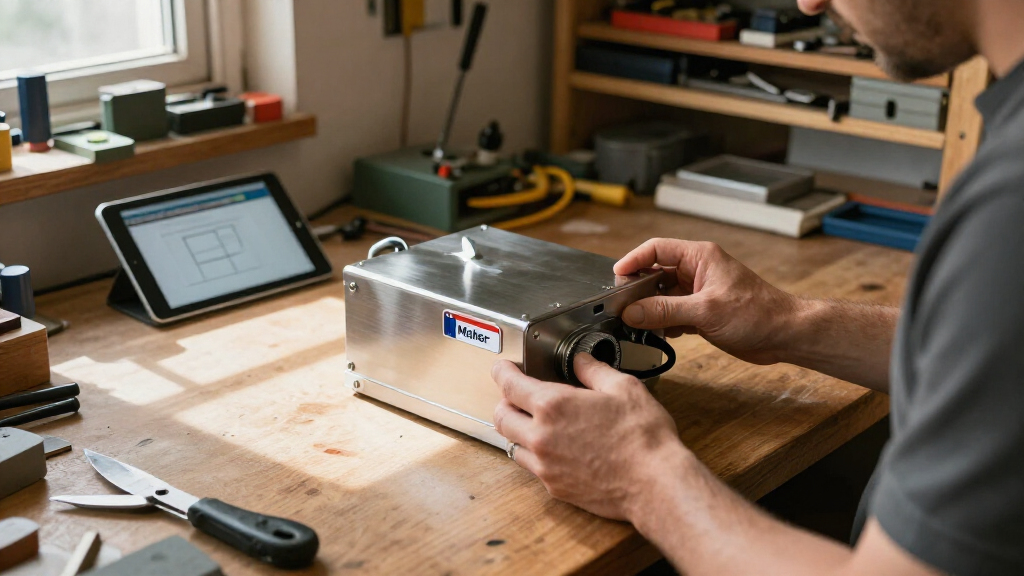
IdeaNavigator AI has outlined a product concept for tracking the records behind Made-in-USA packaging claims, including supplier and product changes. The material describes a proposed workflow and a way to test demand; it does not establish that a product has launched or independently confirm the stated FTC enforcement sweep.
IdeaNavigator AI has proposed a living substantiation file for consumer brands that label products Made in USA, linking each product to its materials, supplier affidavits and assembly location. The concept targets a practical compliance gap: when a supplier or product changes, the records supporting an origin claim can fall out of date before new packaging reaches stores.
The proposed system would organize documentation by stock-keeping unit (SKU) and assign each product line a red, yellow or green status for its origin claim. A change to a supplier would trigger an alert for compliance staff, giving them a chance to review affected claims before marketing or operations proceeds with updated packaging. The proposal describes a workflow, not a confirmed operating service.
IdeaNavigator AI identifies the intended users as compliance or operations leads at consumer brands that print U.S.-origin claims on packaging. It says records may be scattered across email and receipts, and that a supplier could change factories without the brand promptly updating the documentation associated with a claim. The material does not provide examples of companies affected or evidence measuring how often this occurs.
The proposed commercial model is an annual subscription tiered by SKU count, with a separately priced audit-response module. To test demand, the plan calls for offering fixed-fee substantiation audits to 15 brands already making origin claims and tracking how many become monitoring subscribers. No completed customer interviews, conversion results, pricing figures or launch date are provided.
Is Your Documentation Ready For Product Changes?
IdeaNavigator AI proposes a system to keep origin-claim records current as products and suppliers change. It is a concept and demand-testing plan, not a confirmed product launch.
What each product record would link
The proposed file would organize origin-claim support by stock-keeping unit.
Bill of materials
Connect each product to the inputs behind its claim.
Supplier affidavits
Keep supplier documentation with the relevant product record.
Assembly location
Record where the product is assembled.
How the proposed workflow responds to change
Link product inputs, supplier affidavits and assembly location.
Use red, yellow or green to show records that are incomplete, need attention or are ready.
Alert compliance staff so affected claims can be reviewed before updated packaging proceeds.
What the proposal establishes
- A proposed recordkeeping workflow
- A plan for fixed-fee audits with 15 brands
- A measure of audit-to-subscription conversion
- A product launch or paying customers
- Completed audits or conversion results
- Subscription prices or a launch date
Keeping Packaging Claims Supported
For a brand, a country-of-origin statement is not just a design choice: the company may need records that support what the label communicates. A system that connects claims to product inputs and supplier information could make it easier to spot when a change requires a fresh review. The proposed alerts are aimed at catching that issue before updated marketing ships, rather than during a later inquiry.
The idea also puts operational change management at the center of compliance. A new supplier, factory or bill of materials can affect the support for a claim even if the wording on the package remains unchanged. A shared record could reduce the time staff spend locating documents, but the proposal does not show that the system would establish legal compliance or replace review by qualified counsel.
Products Worth Considering

Bose Lifestyle Ultra Wireless Home Speaker, White Smoke

DJI Mini 4K Drone with 4K UHD Camera

Apple AirPods Pro (2nd Generation) Wireless Earbuds with USB-C MagSafe Charging Case
As an affiliate, we earn on qualifying purchases.
The Proposed Recordkeeping Workflow
The concept starts with a file for every SKU, connecting its bill of materials, supplier affidavits and assembly location. A red-yellow-green indicator would give teams a quick view of whether records are ready, need attention or are incomplete. Supplier-change notifications would direct staff to products whose claims may need review.
IdeaNavigator AI frames the opportunity around a shift from assembling paperwork only when asked to maintaining evidence as products change. Its description says the Federal Trade Commission opened an enforcement sweep on origin claims in April 2026 and characterizes that development as raising legal exposure. That timing and characterization are claims in the provided material, not independently confirmed details here; no agency announcement, case list or penalty information accompanies them.
The proposed validation step is limited and testable: conduct fixed-fee audits for 15 brands and measure whether those customers pay for ongoing monitoring. That would provide an initial signal about willingness to buy the service. It would not, by itself, establish the size of the market or prove that the software prevents errors.
Enforcement and Product Status
The material does not confirm that a software product has been built, that any brand is using it, or that the proposed audits have begun. It also gives no customer results, independent assessment of the workflow, subscription prices or evidence about how well supplier-change alerts could capture real-world updates.
The stated April 2026 FTC enforcement sweep is not documented with a link to an agency release, named cases or details of penalties. The proposal does not specify which origin claims or products the alleged sweep covers. Those points should be checked against FTC records before being treated as established developments.
It is also unclear how the suggested status colors would be assigned, who would review supporting records, and how the system would address incomplete or conflicting supplier information. A recordkeeping tool could help organize evidence, but the proposal does not define the legal test for a particular claim or claim that a status color amounts to agency approval.
Testing Brand Demand
The next step described by IdeaNavigator AI is to offer fixed-fee audits to 15 consumer brands that currently print origin claims. The plan is to measure how many move from a one-time review to a subscription for ongoing monitoring. No schedule or outcome for that test is stated.
For the concept to advance, prospective customers would need to confirm that the proposed records and alerts match their supplier processes and packaging timelines. The proposal would also need to clarify pricing, data handling, review responsibilities and how updates are verified. Separately, the claimed enforcement development should be checked against official FTC information; until then, its scope and implications remain unconfirmed.
Source: IdeaNavigator AI
Key Questions
What is the proposed Made-in-USA documentation tool?
It is a proposed system that would link each product SKU to its bill of materials, supplier affidavits and assembly location, then flag claims for review when supplier information changes.
Has the product launched?
The material describes a product concept and validation plan. It does not confirm a launch, completed audits or paying customers.
Is the FTC enforcement sweep confirmed?
The material says the FTC opened a sweep in April 2026, but it does not include an agency announcement or case details. That claim needs verification against official FTC records.
How would the proposal test whether brands will pay?
It proposes fixed-fee substantiation audits for 15 brands and measuring how many convert to an ongoing monitoring subscription. No results or timing are provided.
Source: IdeaNavigator AI