
TL;DR
Open a free Amazon Business account
Business pricing, bulk buying and tax-exempt orders.
Create a free accountAs an affiliate, we earn on qualifying purchases.
The U.S. Supreme Court has agreed to hear Postal Service v. California, a case concerning the authority of state regulations over federal postal operations. The case’s outcome could impact postal service regulation and federal-state legal boundaries. Details are still emerging about the case’s specifics and potential implications.
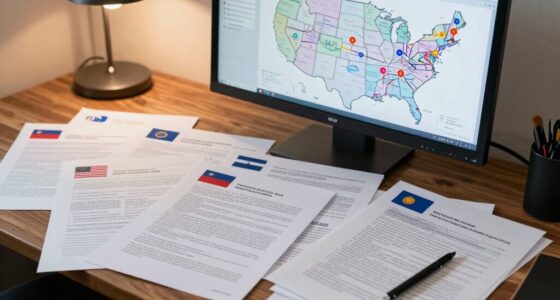
The U.S. Supreme Court has agreed to hear Postal Service v. California, a case that challenges the authority of state regulations over federal postal operations. This development is significant because it could redefine the legal boundaries between federal and state powers concerning mail delivery and postal policies. The case’s outcome may influence postal regulations nationwide and clarify jurisdictional limits.
The case arose when California enacted laws impacting postal operations within the state, prompting the U.S. Postal Service to challenge the regulations, asserting federal supremacy over postal matters. The dispute has now reached the Supreme Court, which will decide whether California’s laws conflict with federal postal statutes and whether states can impose their regulations on federal postal services. The Court’s decision could set a precedent for similar conflicts across other states and federal agencies.
While the specific legal questions involve the interpretation of federal postal statutes and the extent of state authority, the case also touches on broader issues of federalism and the constitutional balance of power. The Court’s hearing is expected to clarify whether states can regulate or restrict the Postal Service’s operations or if federal law preempts state regulations entirely.
This case matters because its outcome could reshape the legal landscape of postal regulation in the United States. A ruling favoring California could empower states to impose their rules on federal postal services, potentially complicating nationwide mail delivery. Conversely, a decision affirming federal supremacy would reinforce the federal government’s control over postal operations, limiting state interference. The ruling could also influence other federal agencies facing similar jurisdictional disputes.
As an affiliate, we earn on qualifying purchases.
Legal Disputes Over Federal vs. State Postal Control
The legal tension between federal authority and state regulation over postal services is not new. Historically, federal law has generally preempted state laws in postal matters, based on the Postal Reorganization Act and related statutes. California’s recent laws, however, aim to regulate certain aspects of the Postal Service’s operations within the state, citing consumer protection and environmental concerns. The Postal Service challenged these laws, arguing they infringe on federal jurisdiction.
This case is part of a broader pattern where states seek to influence or regulate federal agencies, raising constitutional questions about the scope of state powers. The Supreme Court’s upcoming decision will be closely watched for its potential to affirm or limit federal authority in postal and other federal operations.
As an affiliate, we earn on qualifying purchases.
Unresolved Questions About Case Outcomes and Implications
It is not yet clear how the Supreme Court will interpret the relevant statutes or whether the decision will favor federal supremacy or state authority. The specifics of California’s laws and their scope are still under review, and legal experts are divided on potential rulings. The case’s broader implications for postal regulation and federalism remain uncertain until the Court issues its ruling.
As an affiliate, we earn on qualifying purchases.
Next Steps in the Supreme Court’s Case Schedule
The Supreme Court will hear oral arguments in Postal Service v. California during its upcoming session. Following the hearing, justices are expected to deliberate and issue a ruling within several months. The decision will clarify the legal standing of state regulations over federal postal operations and could prompt legislative or administrative responses depending on the outcome.
postal service organizational tools
As an affiliate, we earn on qualifying purchases.
As an affiliate, we earn on qualifying purchases.
Key Questions
What is the main legal issue in Postal Service v. California?
The case centers on whether California’s laws regulating postal operations conflict with federal statutes, and if so, whether federal law preempts state authority over the Postal Service.
Why is this case important for mail delivery across the U.S.?
The ruling could determine whether states can impose restrictions or regulations on federal postal services, affecting nationwide mail delivery and postal policy implementation.
When will the Supreme Court decide on this case?
The Court is expected to issue a ruling within several months after hearing oral arguments in its upcoming session.
Could this case affect other federal agencies?
Yes, the decision may set a precedent for how federal agencies are regulated by states, especially in areas where jurisdictional boundaries are contested.
What are the potential outcomes of this case?
The Court could rule in favor of California, allowing state regulations to stand, or in favor of the Postal Service, affirming federal preemption and limiting state authority.
Source: primary
Evergreen bestsellers Picks
bestsellers
As an affiliate, we earn on qualifying purchases.