
TL;DR
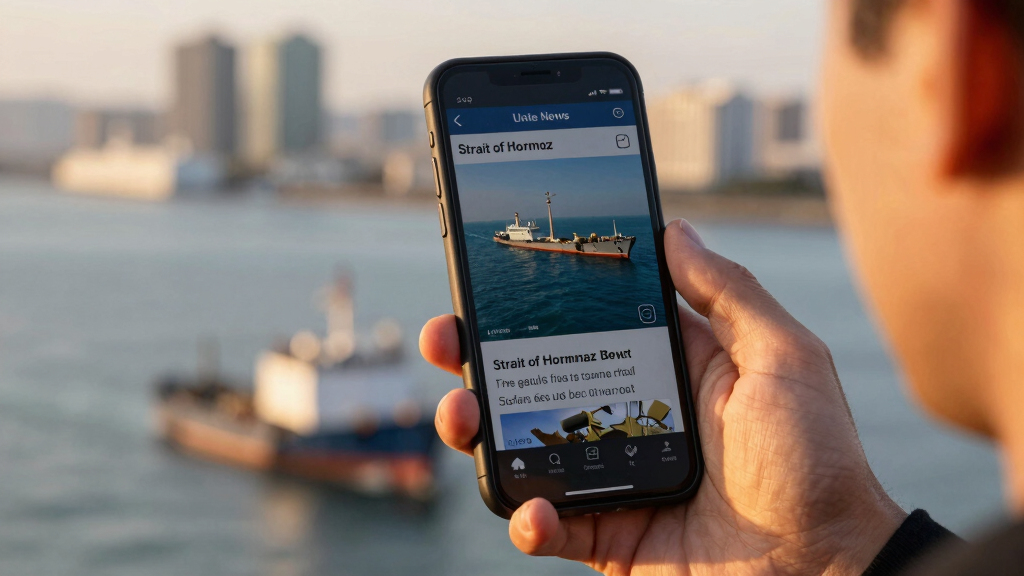
Iran’s military states the Strait of Hormuz is closed amid escalating conflict between Israel and Hezbollah. The closure impacts global oil routes, heightening regional tensions. Details on the situation remain evolving.
Iran’s military has declared the Strait of Hormuz closed, citing security concerns amid ongoing clashes between Israel and Hezbollah. This announcement marks a significant escalation in regional tensions and has raised fears of disruptions to global oil supplies.
Iran’s military issued a statement today asserting the Strait of Hormuz is closed to all maritime traffic, citing threats from Israel and Hezbollah. The closure comes amid ongoing exchanges of fire between Israel and Hezbollah across the Lebanon-Israel border, which have intensified over recent days. The Strait of Hormuz, a crucial waterway for global oil shipments, is one of the world’s most strategically important choke points. The Iranian announcement has not yet been independently verified by maritime authorities or international observers, and it is unclear whether the closure is fully enforced or symbolic.U.S. and regional officials have expressed concern over the potential impact on oil markets and regional stability. The U.S. State Department has urged Iran to refrain from actions that could escalate the conflict further. Meanwhile, Israel and Hezbollah continue to exchange fire, with reports of missile exchanges and clashes along the Lebanon-Israel border, though details are still emerging.Iran’s announcement follows recent escalations in the region and signals a possible attempt to exert pressure or respond to perceived threats. Experts warn that any disruption in the Strait could significantly impact global oil supplies and increase volatility in energy markets.
Implications of Strait Closure for Global Oil Markets
The closure of the Strait of Hormuz, if confirmed and enforced, could severely disrupt global oil supplies, as approximately 20% of the world’s oil passes through this waterway. This escalation raises concerns about increased oil prices and economic instability worldwide. The move also signals heightened regional tensions, with Iran asserting its willingness to use strategic waterways as leverage amid ongoing conflicts involving Israel and Hezbollah. The situation could influence international diplomatic efforts and military postures in the region.

Sirius Signal MK-1001 Boating Safety Hard Case Kit – USCG Approved
- All-In-One Safety Kit: Includes signaling, first aid, and tools
- USCG Approved Visual Signals: C-1003 SOS eVDSD flare and distress flag
- Multiple Audible Signals: Marine horn and whistle for distress
As an affiliate, we earn on qualifying purchases.
As an affiliate, we earn on qualifying purchases.
Recent Escalations Between Israel, Hezbollah, and Iran
Over the past week, tensions have escalated between Israel and Hezbollah, with exchanges of fire along the Lebanon-Israel border. Hezbollah, backed by Iran, has increased military activity, and there have been reports of missile and rocket attacks targeting Israeli positions. Iran has historically supported Hezbollah and has been accused of seeking to expand its influence in the region. The current conflict appears to be part of a broader pattern of regional escalation, with fears of wider regional war increasing.
Historically, the Strait of Hormuz has been a strategic focal point in Middle Eastern conflicts, with Iran threatening to block it during past tensions. The recent announcement of its closure marks one of the most direct threats to international shipping in recent years, though the actual enforcement remains uncertain.
“The Strait of Hormuz is now closed to all maritime traffic due to security threats posed by Israel and Hezbollah.”
— Iranian military spokesperson

Spot X with Bluetooth 2-Way Satellite Messenger
- Bluetooth Connectivity: Sync with cellphone for communication
- Standalone Communication: Use with dedicated US mobile number
- Emergency SOS: Send alerts to Search & Rescue
As an affiliate, we earn on qualifying purchases.
As an affiliate, we earn on qualifying purchases.
Verification and Enforcement of the Strait Closure
It remains unclear whether the Strait of Hormuz closure announced by Iran is fully enforced or is a symbolic statement. International maritime authorities have not yet confirmed the closure, and some analysts suggest it may be a strategic move or a warning rather than a complete blockade. The actual impact on shipping and oil exports is still uncertain, and ongoing military activity could influence the situation further.

Fauxomor 140dB Personal Safety Alarm for Women 3pack Self Defense Keychain
- Loud 140dB Siren: Deters attackers and attracts attention
- High-Intensity Strobe Light: Disorients threats and enhances visibility
- Easy Activation: Pull pin to activate, reinsert to deactivate
As an affiliate, we earn on qualifying purchases.
As an affiliate, we earn on qualifying purchases.
Potential Responses and Future Developments
International actors are expected to monitor the situation closely, with possible diplomatic efforts to de-escalate tensions. Maritime authorities in the region and global powers may attempt to verify the closure and assess its impact. Further clashes between Israel and Hezbollah could occur, and Iran’s next moves remain uncertain. Markets will likely react to any confirmed disruptions or escalations in the conflict.

Garmin GPSMAP 79sc, Marine GPS Handheld Preloaded with BlueChart g3 Coastal Charts, Rugged Design and Floats in Water
- Durable, Floating Design: Water-resistant, floats in water
- High-Resolution Display: Color display with scratch-resistant glass
- Enhanced Memory Capacity: Stores 10,000 waypoints, 250 routes, 300 activities
As an affiliate, we earn on qualifying purchases.
As an affiliate, we earn on qualifying purchases.
Key Questions
Is the Strait of Hormuz officially closed?
Iran’s military announced the closure, but it has not been independently verified by maritime authorities or international observers. The actual enforcement remains uncertain.
How could this affect global oil prices?
If the closure is enforced and disrupts shipping, it could lead to a significant increase in oil prices due to the strategic importance of the Strait for global energy supplies.
What are the risks of wider regional conflict?
The escalation between Israel and Hezbollah, coupled with Iran’s actions, raises concerns about a broader regional conflict that could involve multiple countries and escalate further.
What is Iran’s reason for declaring the Strait closed?
Iran cited security threats from Israel and Hezbollah as reasons for the closure, signaling increased tensions and a possible strategic move amid ongoing conflicts.
What happens next in this situation?
International authorities will likely seek verification, and diplomatic efforts may intensify to prevent further escalation. Monitoring of military activity and any potential reopening of the Strait will continue.
Source: google-trends