
You care about AI rights management because it helps protect your content, reputation, and legal interests in a fast-changing digital world. With deepfake and AI-generated content becoming more common, you must prevent misuse, unauthorized use, and damage to your brand. Proper rights management guarantees you stay ahead of legal challenges and maintain control over your creations. Keep exploring how these strategies keep your company secure and competitive in an evolving industry.
Key Takeaways
- To prevent deepfake misuse that can harm their reputation and mislead audiences.
- To protect intellectual property from unauthorized AI-generated content alterations or theft.
- To comply with evolving legal regulations surrounding AI-created works and content rights.
- To maintain control over digital assets and sustain a competitive advantage in the industry.
- To promote ethical content creation and safeguard industry integrity amid AI advancements.
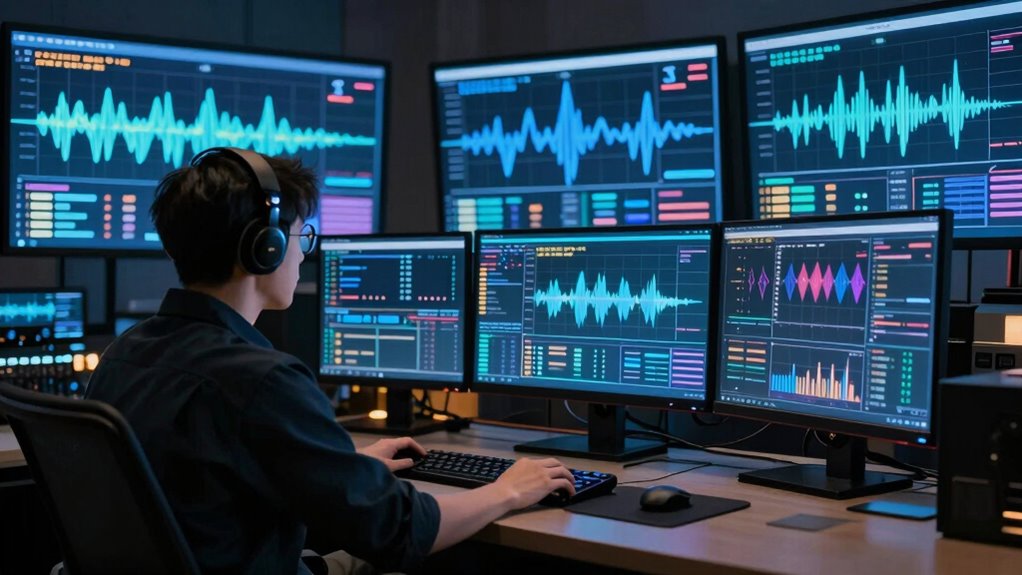
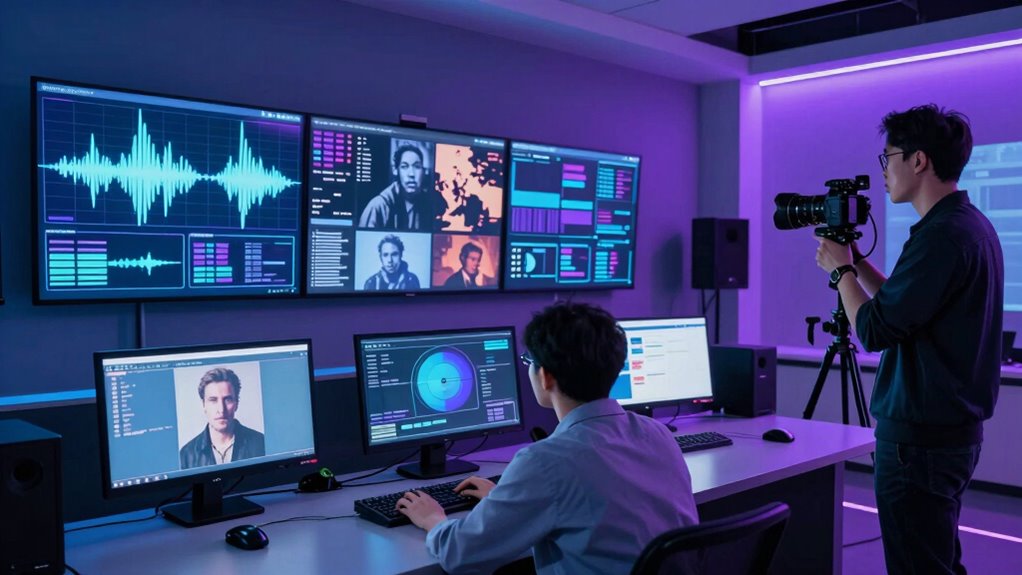
As artificial intelligence increasingly shapes the entertainment industry, companies are faced with the urgent challenge of managing AI rights effectively. You need to understand how AI can be both a tool for innovation and a source of legal complications. One critical concern is deepfake detection. Deepfakes, which use AI to create hyper-realistic but fake videos or images, threaten the integrity of content and the reputation of artists and brands. If you don’t stay ahead of these malicious fabrications, your company’s work could be misrepresented or exploited, leading to significant financial and reputational damage. Implementing robust deepfake detection measures becomes essential, not just to protect your content but also to ensure that viewers can trust what they see. This vigilance forms part of a broader strategy of copyright enforcement, which is vital to safeguarding your intellectual property rights amid the proliferation of AI-generated content.
AI’s ability to generate content at scale complicates copyright enforcement. For you, this means constantly monitoring the digital space for unauthorized use of your work, which AI can easily replicate or manipulate. Without proper rights management, your original creations might be stolen, altered, or distributed without proper attribution or compensation. This infringes on your rights and diminishes the value of your intellectual property. As AI tools become more sophisticated, enforcement needs to evolve too, leveraging technology to track and combat unauthorized uses swiftly. This involves deploying AI-powered content recognition systems that can identify unauthorized copies or altered versions of your work, ensuring you maintain control over how your content is distributed and used. Additionally, understanding how AI-generated content can impact legal boundaries helps you better prepare for potential disputes. Staying informed about emerging AI rights management strategies can also provide a competitive advantage in protecting your assets. Furthermore, staying vigilant about the legal landscape surrounding AI content helps you adapt your policies proactively, reducing the risk of legal disputes. Recognizing the importance of content recognition technologies can help you implement effective measures for safeguarding your rights in a rapidly evolving environment. Moreover, being aware of the ethical implications of AI use can guide responsible content creation and management practices.
Managing AI rights also involves navigating complex legal landscapes. You must establish clear policies and licensing agreements that specify how AI can access or manipulate your content. This proactive approach helps prevent disputes and clarifies your rights in an increasingly AI-driven environment. Moreover, staying informed about emerging regulations concerning AI-generated content ensures you’re prepared for legal challenges that may arise. You’re responsible for balancing innovation with protection, making sure that your rights are respected even as AI blurs traditional boundaries of authorship and ownership.
In essence, your focus on AI rights management isn’t just about protecting your current assets but also about shaping the future of your creative enterprise. Preventing misuse through deepfake detection, enforcing copyrights rigorously, and adapting to new legal standards are all part of maintaining your competitive edge. You must be vigilant, proactive, and technologically savvy to ensure your rights are secure in a rapidly evolving digital landscape. Ultimately, effective AI rights management safeguards your creations, sustains your reputation, and enables you to harness AI’s potential responsibly and profitably.

Deepfake and Image Forgery Detection: Cybersecurity, Multimedia Forensics, Image Manipulation (De Gruyter STEM)
As an affiliate, we earn on qualifying purchases.
As an affiliate, we earn on qualifying purchases.
Frequently Asked Questions
How Does AI Rights Management Differ From Traditional Copyright Enforcement?
AI rights management differs from traditional copyright enforcement by focusing on AI-specific issues like AI licensing and digital watermarking. You use digital watermarking to embed unique identifiers in content, helping track unauthorized use. AI licensing regulates how AI systems access and use copyrighted material, ensuring compliance. This proactive approach allows you to protect your content more effectively, adapting to AI’s capabilities and preventing infringement in ways traditional methods can’t address as efficiently.
What Are the Potential Legal Challenges in Implementing AI Rights Management?
You might face legal ambiguities and jurisdictional conflicts when implementing AI rights management. Laws vary across regions, making it tough to create a uniform system. You could encounter challenges determining who holds rights—the AI developer, user, or owner—and how to enforce them internationally. Managing these legal complexities requires careful planning, clear policies, and collaboration with legal experts to ensure compliance and protect intellectual property effectively.
How Does AI Rights Management Impact User Privacy and Data Security?
Imagine your personal data as a treasure chest; AI rights management acts like a vigilant guard, protecting your privacy and data security. It emphasizes data privacy by ensuring user consent, so your information isn’t used without permission. Without proper safeguards, your data could be exploited or mishandled. So, AI rights management directly impacts your privacy by establishing clear boundaries and fostering trust between you and entertainment companies.
Can AI Rights Management Be Applied Across International Jurisdictions?
Yes, AI rights management can be applied across international jurisdictions. You need to navigate cross-border licensing and guarantee jurisdictional compliance, which can be complex due to differing laws. By implementing adaptable licensing agreements and legal frameworks, you can manage AI rights globally. This approach helps protect intellectual property and ensures that AI-driven content respects regional regulations, making it feasible to enforce AI rights management across multiple countries.
What Future Trends Are Anticipated in AI Rights Management Within Entertainment?
Imagine a world where AI-driven creative automation revolutionizes entertainment, like the advent of the internet. You’ll see AI licensing becoming more sophisticated, protecting artists’ rights while enabling innovative content. Future trends include dynamic rights management, real-time licensing adjustments, and seamless international regulation. You’ll have greater control over AI-generated works, ensuring fair compensation and fostering new creative collaborations. These advancements will shape how entertainment companies navigate AI’s evolving role.
Introduction to AI for Beginners: Easy Lessons, Clear Explanations, Zero Experience Required
As an affiliate, we earn on qualifying purchases.
As an affiliate, we earn on qualifying purchases.
Conclusion
You see, as entertainment companies embrace AI rights management, they protect creativity, preserve authenticity, and guarantee fairness. They stand for innovation, uphold integrity, and foster trust. By doing so, they honor artists, respect audiences, and secure the future of entertainment. It’s a commitment to quality, a promise of authenticity, and a dedication to fairness. Together, they shape a world where creativity thrives, rights are respected, and entertainment continues to inspire, empower, and connect us all.
As an affiliate, we earn on qualifying purchases.
![Express Schedule Free Employee Scheduling Software [PC/Mac Download]](https://m.media-amazon.com/images/I/41yvuCFIVfS._SL500_.jpg)
Express Schedule Free Employee Scheduling Software [PC/Mac Download]
- User-friendly drag & drop planning: Simple shift scheduling interface
- Manage time-off and leave: Add sick leave, breaks, holidays
- Email schedules to staff: Send schedules directly via email
As an affiliate, we earn on qualifying purchases.
As an affiliate, we earn on qualifying purchases.