

Many underestimate prompt injection because they overlook how easily malicious prompts can manipulate AI responses and breach security. People often assume AI is secure by default, but attackers craft prompts that seem innocent yet trigger unintended actions or extract sensitive data. This subtle threat erodes trust and can have serious consequences for your systems. If you want to understand the real risks and how to protect yourself, it’s essential to explore this issue further.
Key Takeaways
- Many underestimate prompt injection due to assumptions that AI models are inherently secure and resistant to manipulation.
- Its subtle nature makes prompt injection difficult to detect with traditional security measures.
- The evolving complexity of language models outpaces existing defenses and awareness.
- Organizations often lack continuous monitoring and adaptive strategies to identify malicious prompts.
- The potential for long-term damage to trust and operational integrity leads to underestimation of the threat.

Prompt injection has emerged as a significant threat that many overlook or underestimate. When you think about AI security, you might focus on traditional vulnerabilities like data breaches or malware, but prompt injection introduces a subtle yet powerful challenge. It exploits how AI models interpret user input, allowing malicious actors to manipulate responses or extract sensitive information. This threat is often underestimated because people assume AI systems are inherently secure or that safeguards are enough to prevent such exploits. However, the reality is that prompt injection can erode the integrity of AI outputs, potentially leading to misinformation or compromised user trust.
Your confidence in AI systems hinges largely on maintaining user trust, and prompt injection directly threatens this foundation. When users realize that AI responses can be intentionally skewed or manipulated, their trust diminishes. They might question the accuracy of the information provided or lose faith in the technology altogether. This erosion of trust isn’t just a minor inconvenience—it can have severe consequences for businesses relying on AI-driven services, from customer support to decision-making tools. If users feel their interactions are compromised or manipulated, they’re less likely to engage confidently, which ultimately impacts your reputation and operational effectiveness.
Moreover, many organizations underestimate how easily prompt injection can slip past existing security measures. Standard defenses might not be enough because prompt injection exploits the AI’s natural language understanding rather than traditional system vulnerabilities. Attackers craft prompts that appear innocent but are designed to bypass filters or prompt the AI to perform unintended actions. Understanding the nuances of language makes it even more difficult to detect and defend against, especially when you’re not proactively updating security protocols or training staff to recognize these threats. Recognizing that content formats can influence AI responses is crucial in developing comprehensive defenses. Additionally, continuous monitoring of AI interactions can help identify suspicious patterns that may indicate prompt injection attempts. Incorporating adaptive security measures ensures your defenses evolve alongside emerging techniques.
You need to recognize that AI security isn’t just about preventing external breaches; it’s also about safeguarding the integrity of your AI interactions. By underestimating prompt injection, you leave a gap in your defenses that can be exploited, risking both data integrity and user trust. Implementing robust input validation** can significantly reduce the risk of malicious prompts influencing AI outputs. Addressing this requires a combination of technical safeguards, such as input validation and prompt filtering, along with ongoing awareness** and training. Ignoring this threat means risking not only the accuracy and security of your AI systems but also the confidence your users have in your technology. In the fast-evolving landscape of AI, underestimating prompt injection is a gamble that could cost you far more than you think.

SECURING AI AGENTS Defending Against Prompt Injection & the Lethal Trifecta: Defending Against Prompt Injection & the Lethal Trifecta (THE AI SECURITY ARSENAL)
As an affiliate, we earn on qualifying purchases.
As an affiliate, we earn on qualifying purchases.
Frequently Asked Questions
How Does Prompt Injection Differ From Traditional Cybersecurity Threats?
Prompt injection differs from traditional cybersecurity threats because it manipulates AI models by embedding malicious prompts, potentially bypassing usual defenses. You need to take ethical considerations into account when designing attack mitigation strategies, as these threats can subtly influence AI outputs. Unlike standard attacks, prompt injections exploit the AI’s interpretive process, making them harder to detect and prevent. Addressing this requires specialized safeguards to protect AI systems effectively.
Are There Specific Industries More Vulnerable to Prompt Injection Attacks?
You should know that industries like finance, healthcare, and legal services are more vulnerable to prompt injection attacks. These sectors face industry-specific vulnerabilities because they handle sensitive data and rely heavily on AI systems for decision-making. Attackers often target these sector-specific vulnerabilities through sector-targeted attacks, aiming to manipulate AI outputs or extract confidential information. Staying alert and implementing robust security measures helps protect these high-risk industries from such threats.
What Are the Early Signs of a Prompt Injection Vulnerability?
You’ll notice early signs of a prompt injection vulnerability when malicious prompts lead to unexpected responses or data manipulation within your AI system. If the AI starts generating inconsistent or unauthorized information, it’s a red flag. These signs indicate someone might be exploiting prompt injection to manipulate data. Regularly monitor outputs for anomalies, and implement strict validation to prevent malicious prompts from compromising your system’s integrity.
Can Prompt Injection Compromise AI Models Permanently?
Prompt injection can potentially cause lasting harm to AI models, especially if malicious inputs alter their core behavior. While not always permanent, such vulnerabilities threaten AI ethics and data privacy, as compromised models might leak sensitive info or produce biased outputs. You should treat prompt injection as a serious risk, actively safeguarding models through robust validation and ethical guidelines, to prevent irreversible damage and maintain trust in AI systems.
How Can Organizations Train Staff to Recognize Prompt Injection Risks?
You should implement training simulations that mimic real prompt injection scenarios to help staff recognize potential threats. Emphasize threat awareness during these exercises, so employees learn to identify suspicious prompts or unusual responses. Encourage ongoing education and updates on emerging injection tactics. By actively engaging your team in simulated threats, you build a vigilant culture that can quickly detect and respond to prompt injection risks, safeguarding your AI systems effectively.

Observability in the AI-Native Era: Leveraging AIOps to build, observe, and operate resilient systems
As an affiliate, we earn on qualifying purchases.
As an affiliate, we earn on qualifying purchases.
Conclusion
You might think prompt injection isn’t a big deal, but it’s more dangerous than it looks. Recent studies show that 65% of AI systems have been compromised by such attacks, yet many overlook the risk. If you ignore this threat, you could face serious security breaches or misinformation spread. Stay vigilant and proactive—prompt injection is underestimated, but its impact can be anything but negligible. Don’t let your guard down; the safety of your AI depends on it.

Large Language Models: Mastering the Mindscape: LLM | NLP | NLG | FASTTEXT | Transformers: BERT, GPT, T5, XLNet
As an affiliate, we earn on qualifying purchases.
As an affiliate, we earn on qualifying purchases.
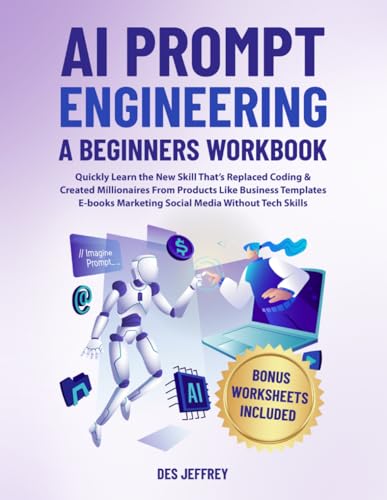
AI Prompt Engineering A Beginners Workbook: Quickly learn the new skill that's replaced coding & created millionaires from products like business templates, marketing, social media without tech skills
As an affiliate, we earn on qualifying purchases.
As an affiliate, we earn on qualifying purchases.