📊 Full opportunity report: The Future Of Corporate Wellness: Remote Work Strength Tests on IdeaNavigator AI — validation score, market gap, and execution plan.

Get everyday essentials delivered free with Prime
- Fast, free delivery on millions of items
- Prime Video, Amazon Music and more included
- Member-only deals all year
TL;DR
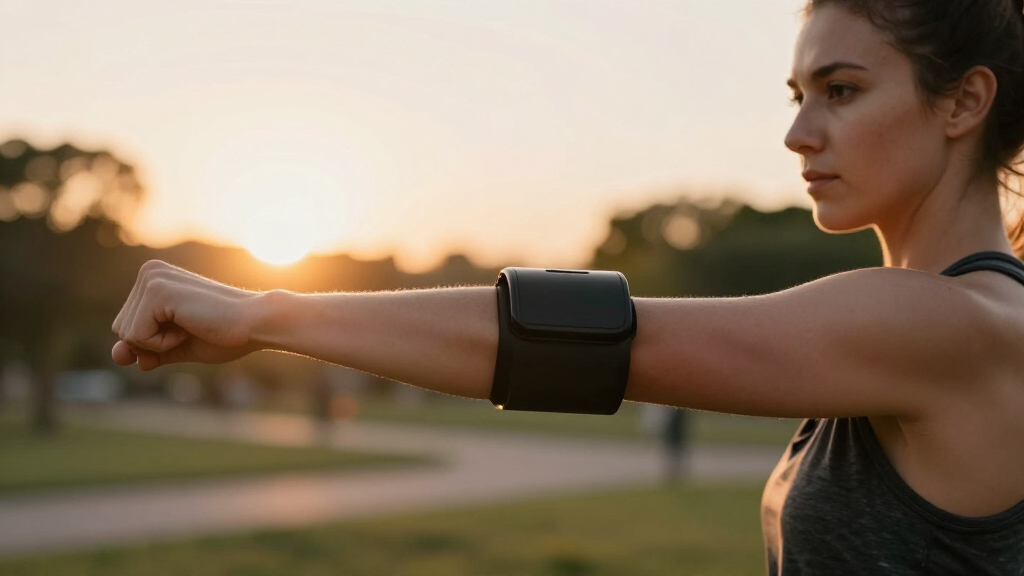
Employers and benefits providers are exploring remote, camera-based strength and mobility tests to identify early musculoskeletal risks among remote workers. This innovation aims to shift from reactive treatment to preventive care, addressing rising MSK-related costs. Pilot programs are underway to validate the approach before wider adoption.
Remote work strength tests using smartphone cameras are being developed as a new way for employers to identify early signs of musculoskeletal decline among distributed employees. These assessments aim to prevent costly clinical episodes by catching MSK issues early, addressing a growing concern as remote and hybrid work arrangements become permanent for many knowledge workers.
Recent advancements in smartphone camera technology and pose estimation algorithms have enabled the creation of guided self-assessments that employees can perform at home in about 10 minutes. These tests evaluate strength, mobility, and posture through simple movements such as sit-to-stand repetitions, shoulder and hip range-of-motion, and static holds like planks or wall-sits. The system then generates a personalized MSK risk score, along with tailored corrective routines and progress tracking over time.
Employers, especially mid-to-large companies and self-insured plans, see this as a lightweight, scalable solution to monitor employee health proactively. A privacy-safe dashboard will aggregate team-level data, highlighting trends and enabling targeted interventions. The approach also includes a referral system to clinical MSK or physical therapy providers for employees flagged as high risk.
Initial pilots involve deploying the assessments to remote staff over 60-90 days, measuring engagement, validity of risk scores against established questionnaires, and the willingness of HR and benefits teams to adopt the tool as part of their wellness programs. Success is defined by high completion and retention rates, positive validation results, and at least one signed pilot agreement.
Implications for Employer Healthcare Costs and Employee Wellbeing
This development could significantly shift how companies approach employee health management, moving from reactive treatment of MSK issues to proactive prevention. As MSK problems are a leading driver of medical claims and lost workdays, early detection through remote assessments could reduce healthcare costs and improve productivity. For employers, especially those with large remote workforces, this tool offers a scalable way to address a pressing health concern with minimal disruption and privacy considerations. The success of these pilots could pave the way for widespread adoption, transforming corporate wellness strategies.
smartphone posture assessment tool
As an affiliate, we earn on qualifying purchases.
As an affiliate, we earn on qualifying purchases.
Since the shift to remote and hybrid work models accelerated during the COVID-19 pandemic, employers have observed an increase in MSK-related complaints, including neck, back, and posture issues. Traditional wellness programs have focused on reactive treatment, often after employees report pain or injury. However, the rise in sedentary behavior, combined with inadequate ergonomic setups at home, has driven a surge in MSK claims, making it a top cost driver for employer-sponsored health plans.
Advances in digital health technologies, particularly pose estimation algorithms that use standard phone cameras, have matured enough to enable self-guided assessments without specialized sensors or clinical oversight. This technological shift opens new opportunities for early screening and intervention, especially as many organizations look to expand their preventive health offerings amid rising healthcare costs.
Early pilots are being planned to test the validity and engagement of these assessments, with a focus on integrating them into existing benefits platforms and clinical referral networks.
remote musculoskeletal health monitor
As an affiliate, we earn on qualifying purchases.
As an affiliate, we earn on qualifying purchases.
Uncertainties Surrounding Validation and Adoption Speed
It is still unclear how accurately the camera-based risk scores will correlate with clinical assessments, such as the Nordic Musculoskeletal Questionnaire scored by physical therapists. The success of pilot programs depends on employee engagement, data privacy acceptance, and the willingness of HR teams to integrate these tools into their benefits offerings. Further validation and real-world testing are needed to confirm effectiveness and scalability.
As an affiliate, we earn on qualifying purchases.
Upcoming Pilot Deployments and Validation Milestones
In the coming months, several employers plan to launch pilot programs deploying the self-assessment tool to remote staff. These pilots will measure completion rates, assess the validity of risk scores, and evaluate user feedback. Positive results could lead to broader rollout and integration into corporate wellness platforms, with potential for further refinement based on initial findings. Additionally, partnerships with clinical providers will be explored to facilitate referrals for high-risk employees.
As an affiliate, we earn on qualifying purchases.
Key Questions
How accurate are the remote strength assessments?
The assessments use advanced pose estimation algorithms, but their accuracy compared to clinical evaluations is still being validated through pilot studies. Results are expected within the next 6 months.
Will employees need special equipment for these tests?
No, employees will perform the assessments using their smartphone cameras, with no additional sensors required.
How will privacy be protected during these assessments?
The system is designed to be privacy-safe, with data anonymization and secure storage. Employers will access aggregated, team-level data, not individual videos.
When could this become a standard part of corporate wellness programs?
If pilot programs demonstrate validity and high engagement, broader adoption could occur within 12-18 months, depending on industry and employer size.
Source: IdeaNavigator AI
Halloween Picks
halloween
As an affiliate, we earn on qualifying purchases.