
📊 Full opportunity report: DDR5 Now, DDR6 Soon: A Buyer’s Field Guide on ThorstenMeyerAI.com — validation score, market gap, and execution plan.
TL;DR
The article advises consumers to buy DDR5 memory now for 2026-28 builds, as DDR6 is not yet ready and will be more expensive at launch. Waiting for DDR6 is unlikely to save money or improve performance in the near term.
Consumers and builders should prioritize purchasing DDR5 memory now for their 2026 systems, as DDR6 remains at least two years away from mainstream adoption and will come at a premium. Market forecasts indicate that waiting for DDR6 will not be cost-effective or necessary for most users, with DDR5 providing the best value today.
Current market conditions show that DDR5-6000 with CL30 timings remains the sweet spot for mainstream builds through at least 2028, offering optimal performance and cost efficiency. Prices for DDR5 have stabilized at levels where paying more for faster kits like DDR5-8000 is generally unnecessary for gaming and general workloads.
Buying capacity should be aligned with actual needs: 32GB for most users, 64GB for heavy multitasking or content creation. Overbuying, such as 128GB kits, is discouraged given current high prices and uncertain demand. On newer platforms, features like CUDIMMs can help stabilize higher speeds, while workstation users should verify support for registered memory.
Meanwhile, DDR4 is no longer a cost-saving option for new builds, as its prices are comparable or higher than DDR5, and it is reaching end-of-life, making it a poor investment for future-proofing.
Regarding DDR6, it is a significant architectural upgrade with increased bandwidth and new form factors like CAMM2, but it is not backward compatible and will require new CPUs and motherboards. Its rollout is staged, starting from enterprise and AI servers in 2026–27, with mainstream consumer adoption not expected until 2027 or later, at a much higher cost.
Most users should not wait for DDR6 in 2026. Exceptions include those with long-term workstations for AI/ML or scientific computing, who can plan to upgrade in 2027, and early adopters willing to face early-stage issues.
DDR5 now, DDR6 soon
A buyer’s field guide. The 20-year instinct — wait for prices to drop, or wait for the next generation — is broken this cycle. Buy the DDR5 you actually need now; don’t wait for DDR6. Here’s the reasoning.
Driven to end-of-life, production slashed. Same money, dead-end socket. Leave a working DDR4 box alone — but never start a new build on DDR4 to “save.”
A framework, not a gamble. Buy the DDR5 you need now, at the sweet spot, in the capacity you’ll actually use — don’t buy DDR4, don’t wait for DDR6. The two costliest mistakes in this market are the ones that feel prudent: waiting for a price drop that isn’t coming, and waiting for a next-gen part that launches dearer than what’s on the shelf. Next: The SSD Squeeze.
Why Buying DDR5 Now Is the Smart Choice
This guidance is crucial because it helps consumers avoid unnecessary expenses and delays. Investing in DDR5 now ensures compatibility with upcoming platforms and avoids the inflated costs and limited capacities associated with early DDR6 adoption. Waiting for DDR6 could mean paying more for a less mature product, with no immediate performance benefit for most users.
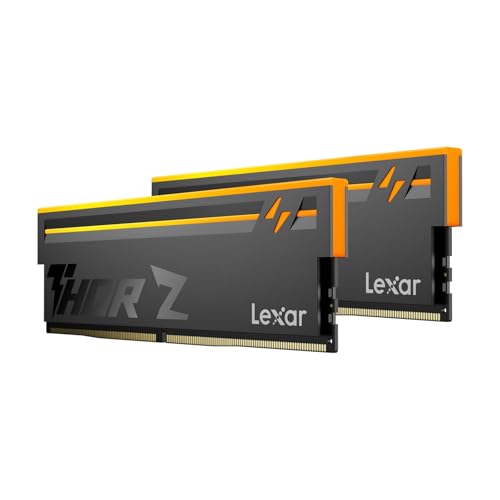
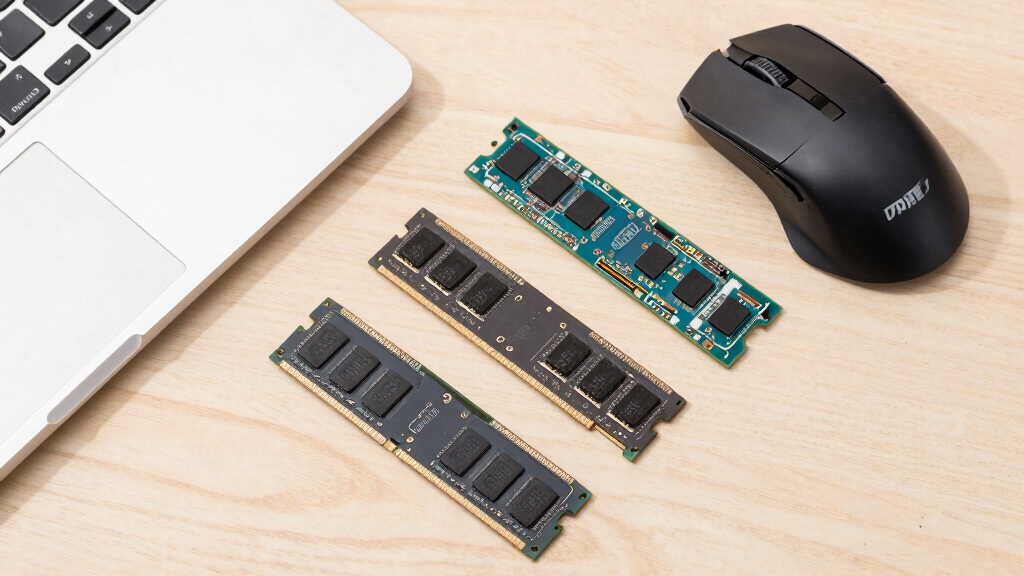
Lexar Thor Z RGB DDR5 RAM 32GB Kit (2x16GB) 6000MHz CL38 DRAM 288-Pin UDIMM
- High-Speed Performance: 6000MHz DDR5 RAM with low latency
- Large Capacity: 32GB (2x16GB) kit for multitasking
- Robust Thermal Design: Sandblasted aluminum heatsink for cooling
As an affiliate, we earn on qualifying purchases.
As an affiliate, we earn on qualifying purchases.
Market and Technology Timeline for DDR Memory
Historically, new DDR standards have taken about four years from introduction to widespread adoption. DDR4, introduced around 2014, became mainstream by 2018. DDR5 launched in 2021, with initial prices high and capacities limited. Industry forecasts indicate DDR6 will follow a similar timeline, with enterprise and server markets adopting it first, then consumer platforms around 2027, and full mainstream availability not until approximately 2030.
The current market is characterized by high prices, limited supply, and a lack of backward compatibility for DDR6, making it less attractive for typical consumers in 2026.
Manufacturers are emphasizing that DDR6 is a future roadmap, not an immediate upgrade for most users, who should focus on optimizing DDR5 systems now.
“DDR6 will likely not be mainstream until 2027 or later, with initial prices significantly higher than DDR5.”
— Market forecast reports

G.SKILL Trident Z5 Neo RGB Series DDR5 RAM (AMD EXPO) 64GB (2x32GB) 6000MT/s CL30-40-40-96 1.40V Desktop Computer Memory U-DIMM – Matte Black (F5-6000J3040G32GX2-TZ5NR)
- Series Name: G.SKILL Trident Z5 Neo RGB
- Total Capacity: 64GB (2x32GB) kit
- Speed: DDR5-6000 MT/s
As an affiliate, we earn on qualifying purchases.
As an affiliate, we earn on qualifying purchases.
Uncertainties Around DDR6 Adoption and Pricing
While forecasts suggest DDR6 will launch in 2026–27, actual pricing, capacity, and compatibility details remain uncertain. Early DDR6 modules may face stability issues and limited capacities, and the exact timeline for broad adoption could shift depending on industry developments and manufacturing maturity.
Additionally, the impact of market conditions, such as supply chain disruptions and demand fluctuations, could influence pricing and availability.

CORSAIR Vengeance RGB RS DDR5 64GB (2 x 32GB) Up to 6000MHz AMD Intel RAM
- Maximum Speed Disclaimer: Requires overclocking and BIOS adjustments
- Dynamic RGB Lighting: Individually addressable vibrant RGB effects
- Onboard Voltage Regulation: Ensures reliable power at high frequencies
As an affiliate, we earn on qualifying purchases.
As an affiliate, we earn on qualifying purchases.
Key Milestones for Buyers and Industry in 2024–2027
Consumers should watch for JEDEC standard approvals and motherboard compatibility lists confirming DDR6 support, expected in late 2026 or early 2027. Meanwhile, the market will stabilize DDR5 prices, and new kits will become more available. Early DDR6 modules and platforms are anticipated to appear in enterprise markets first, with consumer adoption following in 2027. Buyers should plan to upgrade their platforms accordingly, focusing on DDR5 in the near term.

A-Tech 64GB Kit (2x32GB) DDR5 5600MHz PC5-44800 CL46 SODIMM 2Rx8 Dual Rank 1.1V Non-ECC Unbuffered SO-DIMM 262-Pin Laptop Computer RAM Memory Upgrade Modules
- Compatibility: For DDR5 laptops and mini PCs
- Capacity: 64GB kit with 2x32GB modules
- Speed: Up to 5600MHz DDR5
As an affiliate, we earn on qualifying purchases.
As an affiliate, we earn on qualifying purchases.
Key Questions
Should I buy DDR4 now to save money?
No. DDR4 is being phased out and now costs roughly the same as DDR5 or more. Building with DDR4 now is not future-proof and could limit upgrade options later.
Is DDR6 worth waiting for in 2026?
For most users, no. DDR6 will be more expensive, less mature, and not significantly faster for gaming or typical workloads in the short term. It is better suited for specialized, long-term workstations.
When will DDR6 be widely available?
Industry forecasts suggest DDR6 will be available for mainstream consumers around 2027, with full adoption possibly delayed until 2030.
Will DDR6 offer a big performance leap for gaming?
No. DDR6’s bandwidth improvements primarily benefit high-bandwidth, professional workloads like AI and scientific computing. For gaming, DDR5 remains sufficient.
What should I do if I want to future-proof my build?
Buy a well-configured DDR5 system now, focusing on balanced capacity and speed, and plan to upgrade to DDR6 when it becomes mature and cost-effective around 2027 or later.
Source: ThorstenMeyerAI.com