
AI will transform your desktop into a personal assistant that learns your habits and habits, making tasks faster and easier. Voice recognition becomes more accurate, letting you control your computer hands-free and multitask effortlessly. Your interface adapts to your routines, highlighting important apps and automating repetitive actions. Plus, smarter features suggest resources and remind you of deadlines. If you’re curious about how these changes could impact your daily work, keep exploring what’s coming next.
Key Takeaways
- AI transforms desktops into intelligent, proactive assistants that anticipate user needs and automate routine tasks.
- Personalized interfaces adapt dynamically, making desktops more intuitive and tailored to individual workflows.
- Voice recognition enables natural, hands-free control, enhancing accessibility and multitasking capabilities.
- Advanced safety features protect data while supporting immersive, context-aware experiences.
- Continuous AI integration evolves desktops into adaptive, environment-responsive platforms with deeper human-machine interaction.
Artificial intelligence is transforming desktop computers in ways that make everyday tasks faster and more efficient. One of the most noticeable changes is how you interact with your device. Voice recognition technology has become more accurate and responsive, allowing you to simply speak commands instead of typing. You might find yourself asking your computer to open files, send emails, or search the internet, all through natural language. This shift not only speeds up your workflow but also makes multitasking more seamless. With improved voice recognition, you can perform complex tasks hands-free, which is especially helpful when your hands are occupied or when you need quick access to information.
Alongside voice recognition, personalized interfaces are redefining how you experience your desktop computer. Instead of generic layouts and settings, your AI-powered system learns your habits, preferences, and routines. It adapts the interface to suit your needs, highlighting the apps and tools you use most often and reorganizing menus for quicker access. This means your desktop becomes less cluttered, more intuitive, and tailored specifically for you. Over time, the system recognizes your work patterns and suggests shortcuts or automates repetitive tasks, saving you time and reducing frustration. Whether you’re editing documents, managing contacts, or browsing, your personalized interface makes everything feel more natural and efficient.
AI also enables your desktop to anticipate your needs, creating a smarter environment. For instance, if you typically start your day with a specific set of applications, your system might automatically launch those programs when you log in. It can even suggest relevant resources or remind you of upcoming deadlines based on your calendar. This proactive approach transforms your desktop from a passive tool into an intelligent assistant that adapts to your workflow. Additionally, advancements in safety features ensure your data remains protected as these intelligent systems become more integrated into your daily tasks. As these technologies evolve, your desktop could become even more immersive, incorporating voice commands and personalized interfaces that respond contextually to what you’re doing, thinking, or even feeling. Furthermore, adaptive interfaces are emerging as a key feature, making desktops more responsive to changing needs and environments. Moreover, integrating natural language processing enhances how seamlessly users can communicate with their systems, further blurring the lines between human and machine interaction. As AI continues to develop, it will likely incorporate context-aware computing, allowing systems to better understand and respond to the nuances of your environment and behavior. These advancements are driven by ongoing research and development in machine learning, which continually improves system capabilities and user experience.
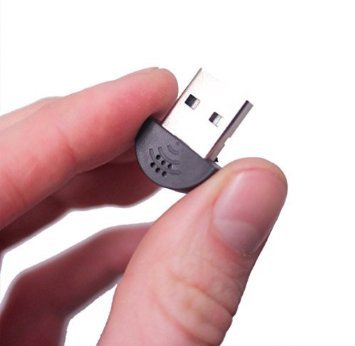
Youmi Mini USB 2.0 Microphone Mic for Laptop/Desktop PCS – Skype/Voice Recognition Software Driver-Free Audio Receiver Adapter for MSN PC Notebook
- Brand: YOUMI
- Product Type: Mini USB Microphone
- Compatibility: Works with Windows 10 and earlier
As an affiliate, we earn on qualifying purchases.
As an affiliate, we earn on qualifying purchases.
Frequently Asked Questions
How Will AI Personalize the Desktop User Experience?
AI personalizes your desktop experience by analyzing your user behavior through advanced personalization algorithms. It learns your habits, preferences, and work patterns to automatically adjust settings, suggest relevant apps, and organize your workspace efficiently. This creates a seamless, intuitive environment tailored specifically to you, reducing your effort and increasing productivity. As AI evolves, your desktop will become more responsive and proactive, making your digital interactions smoother and more personalized every day.
What Security Risks Does AI Introduce to Desktops?
Are you aware of the security risks AI brings to your desktop? With AI handling sensitive data, your data privacy could be compromised if hackers exploit vulnerabilities. AI also increases malware threats by enabling more sophisticated attacks that adapt and bypass traditional defenses. To stay protected, you need robust security measures, vigilant monitoring, and encryption, because without them, your data and privacy might be at greater risk than ever before.
Can AI Replace Traditional Desktop Operating Systems?
AI integration can substantially replace traditional desktop operating systems by offering smarter, more intuitive interfaces. You’ll find that AI adapts to your habits, providing personalized user customization, which enhances productivity and ease of use. While AI can handle many tasks autonomously, it’s unlikely to fully replace traditional OS features anytime soon. Instead, it will complement and augment your experience, making your desktop more responsive, intelligent, and tailored to your needs.
How Will AI Impact Desktop Hardware Requirements?
AI acts like a master chef, fine-tuning your desktop’s hardware ingredients for perfect performance. As AI advances, you’ll need fewer hardware upgrades because it optimizes performance dynamically, making your system smarter and more efficient. Expect your hardware to evolve into a lean, mean machine, handling demanding tasks without the need for constant upgrades. AI’s influence will reshape your desktop’s hardware needs, turning complexity into seamless, intelligent performance.
Will AI Make Desktops More Energy-Efficient?
Yes, AI can make desktops more energy-efficient by optimizing energy use through intelligent power management. You’ll notice lower power consumption because AI algorithms analyze your habits and adjust hardware settings accordingly. This energy optimization reduces waste and extends the lifespan of components, helping your desktop run more efficiently. As AI continues to evolve, expect even smarter power management systems that enhance performance while conserving energy, benefiting both your device and the environment.

AI VoiceWriter – Smart Dictation & AI Writing Assistant for Windows & Mac | USB Dongle & Mobile App for Voice Input, Proofreading, Rewriting & Multilingual Support
- Hands-Free Voice Typing: Real-time speech-to-text on Windows & Mac
- AI Writing Assistance: Proofreading, rephrasing, and formatting support
- Universal App Compatibility: Works with Word, Google Docs, PowerPoint, and more
As an affiliate, we earn on qualifying purchases.
As an affiliate, we earn on qualifying purchases.
Conclusion
As AI transforms your desktop into a lively hub of intelligence, it’s like planting a seed that grows into a mighty oak. Your computer, once just a tool, now becomes a partner that anticipates your needs and adapts to you. This evolution shifts your experience from static to dynamic, making your digital world an organic extension of yourself. Embrace this change, and watch your desktop flourish into something truly extraordinary.
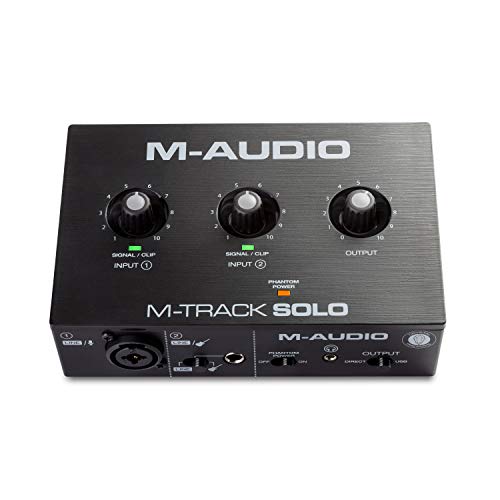
M-AUDIO M-Track Solo USB Audio Interface
- High-Resolution Audio: 48kHz pristine recording quality
- Versatile Input Options: XLR, line, instrument inputs with phantom power
- Comprehensive Monitoring: Headphone and RCA outputs with zero latency
As an affiliate, we earn on qualifying purchases.
As an affiliate, we earn on qualifying purchases.
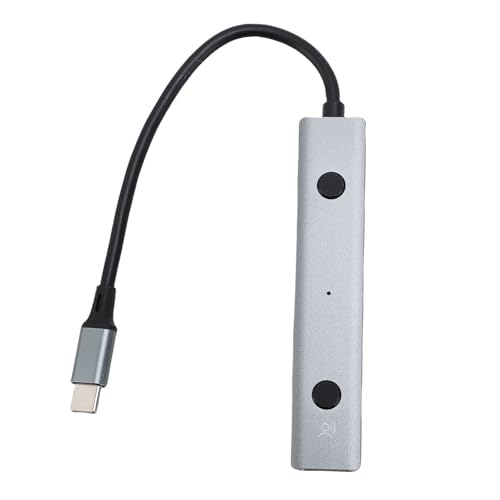
Yunseity AI Voice Hub, Real Time Voice to Text Transcription, Multilingual Translation, Voice Control USB Adapter for Laptops Desktops Tablets, Plug and Play
- AI-Powered Voice Hub: Real-time voice to text and translation
- Accurate Voice Control: Captures speech with accents accurately
- Practical and Free Tools: Generate documents, presentations, and analyze trends
As an affiliate, we earn on qualifying purchases.
As an affiliate, we earn on qualifying purchases.