

AI-powered hiring can reduce bias if it’s transparent and regularly checked, but it can also mask underlying prejudices if algorithms are opaque. Without clear insights into how decisions are made, biases—both conscious and unconscious—may persist unnoticed. Trusting these systems requires understanding their processes and ensuring fairness. If you’re curious about how transparency truly impacts bias mitigation and what steps you can take, continue exploring these important factors.
Key Takeaways
- AI can reduce bias through objective data-driven decisions but may also perpetuate existing biases if trained on biased datasets.
- Transparent algorithms help identify and address biases, ensuring AI mitigates rather than masks unfair practices.
- Lack of transparency can hide embedded biases, making AI seem fair while perpetuating discrimination.
- Regular audits and explainability enhance trust and verify that AI systems actively mitigate bias.
- Candidate perceptions of fairness depend on transparent, unbiased AI processes, influencing employer reputation and diversity efforts.

Artificial intelligence is transforming the way companies find and select talent, making hiring faster, more objective, and more efficient. As you navigate this evolving landscape, you might wonder whether AI truly reduces bias or simply masks it behind complex algorithms. One key factor to *ponder* is algorithm transparency. When AI systems lack clear insight into their decision-making processes, it becomes challenging to identify potential biases embedded within them. If you can’t understand how an algorithm arrives at a particular candidate recommendation, you risk overlooking unfair influences, whether conscious or unconscious. Transparency isn’t just about technical openness; it directly impacts the candidate experience. When job seekers sense that AI-driven processes are opaque or biased, they may feel discouraged or skeptical about the fairness of your hiring practices. Conversely, transparent algorithms can foster trust, showing candidates that their applications are evaluated fairly and consistently.
You play a critical role in shaping how AI impacts your hiring process. If you rely on algorithms that prioritize transparency, you give yourself and your candidates a clearer view of how decisions are made. This transparency helps you identify and correct biases before they influence your hiring outcomes. It also reassures candidates that they are being assessed based on fair criteria, which enhances their overall experience. A positive candidate experience, in turn, encourages more diverse applicants to engage with your company, knowing that fairness is a priority. Failing to *contemplate* transparency could lead to perceptions of bias, damaging your reputation and discouraging talented individuals who feel unfairly overlooked.
Furthermore, when AI tools are designed with transparency in mind, you can better monitor their performance and fairness over time. Regular audits of the algorithms help reveal hidden biases and allow you to make adjustments proactively. This process not only improves the fairness of your hiring but also strengthens your employer brand. Candidates increasingly seek employers committed to diversity and equity, and transparent AI practices demonstrate that you take these values seriously. Incorporating natural materials and vintage decor in your workplace can also reflect your company’s commitment to authenticity and inclusivity, which resonates with candidates who value ethical and transparent practices. Ultimately, the candidate experience hinges on the fairness and clarity of your hiring process. When candidates trust that AI systems are designed ethically and transparently, they’re more likely to view your organization as inclusive and forward-thinking. This trust can be a decisive factor in attracting top talent in a competitive marketplace.
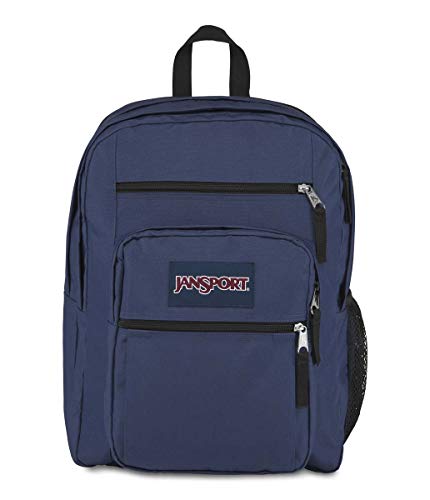
JanSport Laptop Backpack - Computer Bag with 2 Compartments, Ergonomic Shoulder Straps, 15” Laptop Sleeve, Haul Handle - Navy
- Trusted Brand with Lifetime Warranty: Includes lifetime warranty for repairs or replacements
- Iconic Design with Comfort Features: Ergonomic S-curve straps, padded back panel, haul handle
- Durable and Stylish Material: Made with durable fabric, zippers, and straps
As an affiliate, we earn on qualifying purchases.
Frequently Asked Questions
How Do AI Hiring Tools Impact Diversity and Inclusion?
AI hiring tools can influence diversity and inclusion by streamlining candidate screening and reducing human bias. They help identify diverse candidates beyond traditional measures, fostering a broader talent pool. However, if not carefully configured, they might prioritize cultural fit over diversity, unintentionally limiting perspectives. You should guarantee these tools are transparent and regularly reviewed to promote genuine inclusion, rather than just masking biases with algorithms.
Can AI Accurately Assess Soft Skills During Hiring?
You might think AI can perfectly judge soft skills like cultural fit and emotional intelligence, but that’s an exaggeration. No matter how advanced, AI struggles to truly understand nuanced human qualities. It can analyze language patterns or responses, but appraising genuine empathy or adaptability is far more complex. So, while AI can support, it shouldn’t be solely relied on to evaluate soft skills during hiring.
What Are Common Biases Embedded in AI Hiring Algorithms?
You might wonder what biases are embedded in AI hiring algorithms. Common issues include unconscious bias, where algorithms reflect human prejudices, and challenges with ensuring algorithmic fairness. These biases can favor certain demographics or overlook diverse talents. While AI aims to be objective, it often unintentionally perpetuates existing inequalities. To improve fairness, you need to actively address these biases through transparent data and ongoing monitoring.
How Transparent Are AI Decision-Making Processes in Hiring?
You might wonder how transparent AI decision-making processes are in hiring. Typically, algorithm transparency varies; some systems offer decision explainability, making it clearer how conclusions are reached. However, many algorithms remain a black box, limiting your understanding of why certain candidates are selected or rejected. This lack of transparency can hinder trust and accountability, emphasizing the need for clearer, more explainable AI practices in hiring processes.
What Regulations Govern AI Use in Recruitment Practices?
You need to know that regulations like GDPR and the Equal Employment Opportunity laws govern AI use in recruitment. These laws focus on legal compliance and address privacy concerns, guaranteeing your hiring processes protect applicant data and prevent discrimination. Staying updated helps you use AI responsibly, maintain transparency, and avoid legal issues. By following these regulations, you can better ensure your AI tools support fair, privacy-conscious hiring practices.
Conclusion
As you navigate AI-powered hiring, remember it’s a double-edged sword—promising fairness but risking hidden biases like shadows lurking behind the curtain. While AI can streamline your process and help mitigate human prejudice, it’s not a magic wand. Stay vigilant, question the algorithms, and keep your human touch alive. Otherwise, you risk sailing into a fog where bias hides in plain sight, turning a tool of progress into a mirror reflecting old prejudices.

JanSport Cool Backpack, with 15-inch Laptop Sleeve - Large Computer Bag Rucksack with 2 Compartments, Ergonomic Straps, Black
- Trusted Brand Guarantee: Lifetime warranty included
- Iconic Design Elements: Leather bottom and ergonomic straps
- Durable Construction: Strong fabric, zippers, and straps
As an affiliate, we earn on qualifying purchases.
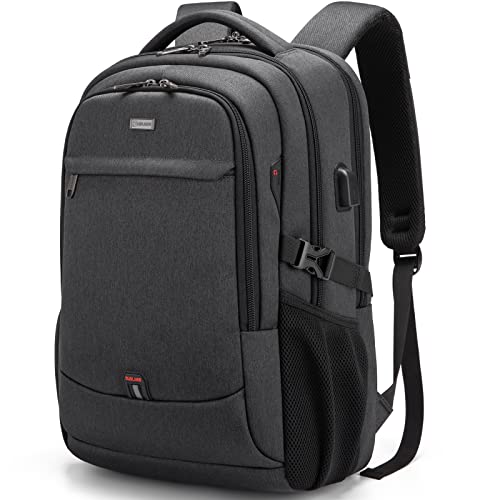
DUSLANG 17 Inch Laptop Backpack for Travel Water Resistant College Backpack for Men/Women Laptop Bag with USB Charging Port,Black
- Large Laptop and Tablet Compartments: Fits 17/15/14/13 inch laptops and 9.7 inch iPad
- Multiple Organizer Pockets: Stores power bank, shaver, pens, keys, socks, and gloves
- Water Bottle and Umbrella Holders: Mesh pockets for water bottles and compact umbrellas
As an affiliate, we earn on qualifying purchases.