TL;DR

Get everyday essentials delivered free with Prime
- Fast, free delivery on millions of items
- Prime Video, Amazon Music and more included
- Member-only deals all year
A draft Russian budget allocates nearly 60 billion rubles over three years to operate the system used to filter and block internet traffic, according to an appendix reviewed by Forbes Russia. The reason for the increase from a previous 32 billion ruble plan has not been explained; experts cited rising equipment costs, growing traffic and sanctions-related supply constraints.
Russia plans to allocate nearly 60 billion rubles over the next three years to its system for filtering and blocking internet resources, according to a draft-budget appendix reviewed by Forbes Russia. The proposed funding is almost twice the 32 billion rubles planned for the same period two years ago, though officials have not explained the increase.
The funding would go to the Chief Radio Frequency Center (GRChTs), an entity under Roskomnadzor, Russia’s federal media regulator. The center operates the automated system that secures the Russian segment of the internet, known by its Russian acronym ASBI. The budget figure concerns the system’s funding over a three-year period; the source report does not specify a final, enacted allocation.
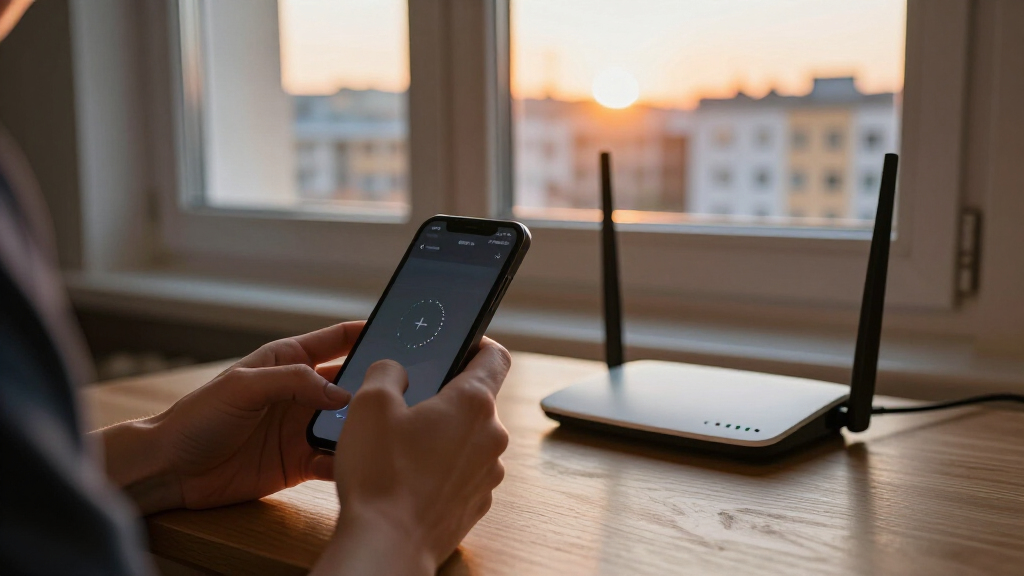
Under Russia’s “sovereign Runet” law, telecom operators must install traffic-filtering equipment known as TSPU on their networks. The equipment gives Roskomnadzor the capacity to filter, slow or block internet traffic. The system’s planned expansion and operation help explain why its costs are under scrutiny, but the budget appendix does not state what accounts for the larger sum.
Forbes Russia said the press services of the Finance Ministry and Digital Development Ministry did not respond to requests for comment. A source close to the Digital Development Ministry told the publication that explanations “haven’t been written into the bill yet” and should be expected by the end of the year.
The Cost of Expanding Traffic Controls
The proposed spending would support infrastructure that enables state filtering and blocking of online traffic. Its scale matters because it indicates the resources Russia is planning to devote to operating that system over the coming budget period. The figure is proposed funding, however, and does not by itself establish how the equipment will be used or how much traffic will be affected.
Higher costs could also reflect practical constraints on maintaining the network. Experts cited by Forbes Russia said that growing volumes of internet traffic require more processing power, memory and storage, while component prices are rising. They also pointed to sanctions that make imported equipment and parts harder for Russia to obtain. These are expert explanations, not a confirmed government breakdown of the budget increase.
Products Worth Considering

Bose QuietComfort True Wireless Earbuds with Active Noise Cancellation, Black

Jackery Explorer 300 Portable Power Station, 292Wh

LG UltraGear 32GX850A-B 32-Inch 4K UHD Glossy OLED Gaming Monitor
As an affiliate, we earn on qualifying purchases.
From the Earlier 32 Billion Plan
The earlier plan allocated 32 billion rubles for ASBI’s operation over a comparable three-year period, according to the source report. The new draft figure is nearly 60 billion rubles for the next three years. The provided reporting does not give an inflation adjustment or a detailed year-by-year comparison, so the figures should be read as proposed totals rather than a measure of real-term spending growth.
ASBI includes TSPU equipment installed on telecom operators’ networks. Its reach is still developing: Alexey Amelkin, president of the Association of Telecom Operators Makatel, said equipment had not yet been installed on operator networks in Ukraine’s occupied territories. His comment describes the status of deployment in those areas; the report does not provide a nationwide installation count or timeline.
Amelkin also pointed to possible future costs if TSPU equipment becomes more sophisticated. He said newer equipment could cost more because of sanctions and global price increases for components such as RAM, and that using artificial intelligence could require additional funding. The report does not say that AI functions are already being deployed.
““[Explanations] haven’t been written into the bill yet — they should be expected by the end of the year.””
— A source close to Russia’s Digital Development Ministry, quoted by Forbes Russia
Why the Proposed Budget Grew
The draft materials cited by Forbes Russia do not explain why the planned total rose from 32 billion to nearly 60 billion rubles. The Finance Ministry and Digital Development Ministry did not respond to the publication’s requests for comment. The government’s detailed rationale, including how much of the increase would cover equipment, operations or expanded deployment, remains unavailable in the source reporting.
It is also unclear whether the figure will remain unchanged when the budget is finalized, how funds would be divided across the three years, or what specific network upgrades are planned. The report gives no installation schedule for TSPU in the occupied territories, and it does not establish that the system has begun using AI.
Budget Details Expected Later This Year
The next substantive update may come when the government adds its rationale to the draft bill. The ministry-adjacent source quoted by Forbes Russia said explanations should be expected by the end of 2026. A finalized budget would show whether the proposed total is retained and could provide more detail about how the money is allocated.
Until then, the reported amount remains a draft-budget plan. Further reporting would be needed to establish the final funding, deployment schedule and the extent to which component prices, sanctions or new technical capabilities account for the increase.
Key Questions
How much does Russia plan to spend on internet filtering?
The draft budget sets aside nearly 60 billion rubles over the next three years for the system, according to an appendix reviewed by Forbes Russia. The figure is proposed funding, not a confirmed final allocation.
Why is the planned amount nearly twice as high as before?
The government has not publicly explained the increase in the reporting. Experts cited rising equipment prices, growing traffic and difficulties obtaining imported components under sanctions as possible cost drivers.
What is TSPU?
TSPU is traffic-filtering equipment that telecom operators in Russia are required to install under the “sovereign Runet” law. It enables Roskomnadzor to filter, slow or block internet traffic.
Is Russia already using AI in the filtering system?
The source report does not confirm current AI use. Alexey Amelkin said that adding AI to make TSPU equipment more capable could require additional funding.
When could the government explain the spending increase?
A source close to the Digital Development Ministry told Forbes Russia that explanations should be expected by the end of 2026. The final budget and any accompanying cost breakdown have not yet been reported.
Source: rss