TL;DR

Get everyday essentials delivered free with Prime
- Fast, free delivery on millions of items
- Prime Video, Amazon Music and more included
- Member-only deals all year
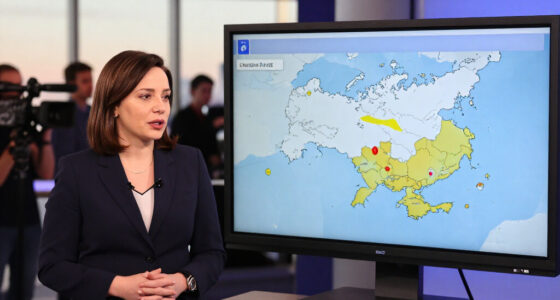
The Wall Street Journal, citing sources, reports that a Kremlin official warned a German government counterpart that the attempted sabotage at Leipzig Airport would not be Moscow’s last target. Germany has accused Russia of trying to sabotage the airport; Moscow denies the accusation, and the reported warning and intelligence assessments have not been independently detailed in the source material.
A Kremlin official warned a German government counterpart that the attempted sabotage at Leipzig Airport would not be Moscow’s last target, The Wall Street Journal reported, citing unnamed sources. The report adds to concerns about possible Russian covert activity in Europe, but Russia denies Germany’s accusation that Moscow tried to sabotage the airport, and the reported warning has not been publicly attributed to a named official.
The Journal reported that the contact took place after German authorities uncovered an attempted act of sabotage at Leipzig Airport. It did not identify the Russian official or provide the German counterpart’s name. The reported warning was that the Leipzig incident would not be Moscow’s last target; the newspaper’s account does not establish that the remark was a formal threat or describe its precise wording beyond that characterization.
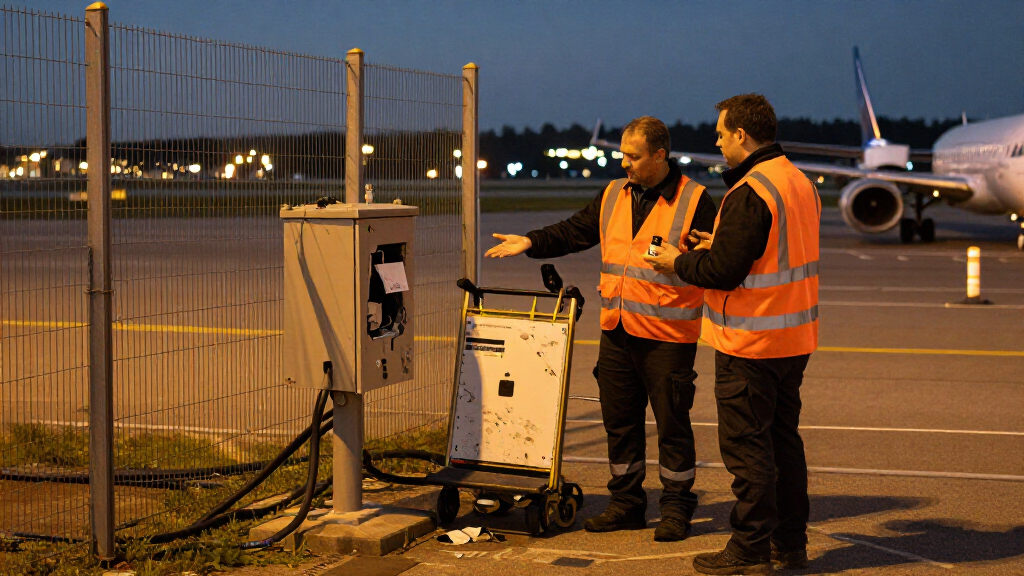
In August 2026, authorities found a drone carrying explosives near a Ukrainian An-124 transport aircraft at the airport. Several drones, rather than just one, were later found to have been involved, according to the source report. On September 1, Germany formally accused Russia of attempting to sabotage the airport. Moscow denies the accusation.
The Journal also reported that European officials, citing U.S. intelligence, described growing frustration in Moscow during the summer. According to those officials, neither developments on the front line nor negotiations with Washington had persuaded Ukraine to accept Russian President Vladimir Putin’s demands. The Journal’s sources said Putin personally ordered a stepped-up campaign of sabotage and covert operations against NATO countries. Those claims reflect intelligence findings relayed through unnamed sources, not publicly presented evidence in the report.
Why European Security Officials Are Concerned
The report matters because it describes an alleged warning from a Russian official alongside a wider intelligence assessment that Moscow is increasing covert activity targeting NATO countries. If accurate, such operations could threaten transport hubs and facilities connected to Ukraine’s military support, while raising the risk of miscalculation between Russia and European governments.
The broader pattern remains a matter of reported incidents and official assessments, not a single confirmed campaign established publicly by the material provided. Germany’s accusation about Leipzig is clear; Russia rejects it. The distinction matters: the report may shape security decisions and diplomatic relations, but attribution of individual incidents and the evidence behind the intelligence claims remain important unresolved questions.
As an affiliate, we earn on qualifying purchases.
Leipzig Incident and Later Reports
The Leipzig case began with the discovery in August of an explosive-laden drone near a Ukrainian cargo aircraft. Authorities later determined that multiple drones were involved, according to the report. Germany made its accusation against Russia on September 1, 2026, while Moscow denied responsibility. The Wall Street Journal’s account of a Kremlin warning came after that investigation became known, though the source material does not give the date of the reported contact.
The Journal cited other incidents as part of the security picture. It reported that arson attacks targeted drone-manufacturing facilities in Estonia and Poland in August. Slovak authorities said that month they had foiled a planned arson attack on a Slovak factory producing Ukrainian drones. In recent weeks, Poland, Lithuania and Bulgaria have each reported sabotage targeting Starlink ground stations. These episodes are not all shown by the source material to have been directed by Russia or connected to the Leipzig case.
“Germany officially accused Russia of attempting to sabotage Leipzig Airport on September 1.”
— The German government
As an affiliate, we earn on qualifying purchases.
Attribution and Warning Details Remain Unclear
The source report does not identify the Kremlin official who allegedly contacted Germany, the German recipient, or the date and setting of their exchange. It also does not provide the underlying evidence for the reported U.S. intelligence assessment that Putin personally ordered an intensified sabotage campaign. The claims are attributed to people familiar with intelligence findings and other unnamed sources.
Responsibility for the Leipzig plot remains disputed: Germany accused Russia, while Moscow denied the charge. The source material does not establish whether the later incidents in Estonia, Poland, Slovakia, Lithuania or Bulgaria were directed by Russia, or whether they are connected to one another. Further official evidence and responses could clarify those questions.
airport security surveillance camera
As an affiliate, we earn on qualifying purchases.
As an affiliate, we earn on qualifying purchases.
Watch for Evidence and Official Responses
The next developments to watch are any public response from the German government or Kremlin about the reported contact, and any additional findings from German authorities’ investigation into the airport plot. The source material does not identify a scheduled announcement, hearing or release of evidence.
European governments may also issue further information about the reported incidents affecting drone facilities and Starlink ground stations. Until more details are made public, the Kremlin warning and intelligence claims should be treated as reported allegations, distinct from the confirmed fact that Germany formally accused Russia and Moscow denied responsibility.
As an affiliate, we earn on qualifying purchases.
Key Questions
What did the Kremlin official reportedly tell Germany?
The Wall Street Journal reported that the official warned a German government counterpart that the Leipzig attack would not be Moscow’s last target. The newspaper did not name the officials or give the date of the exchange.
What happened at Leipzig Airport?
In August 2026, authorities found a drone carrying explosives near a Ukrainian An-124 transport aircraft. Several drones were later found to have been involved, according to the source report.
Has Russia been confirmed as responsible?
No. Germany formally accused Russia of trying to sabotage the airport on September 1, but Moscow denies the accusation. The source material reports the allegation and denial but does not provide independently verified proof of responsibility.
What other incidents did the report mention?
The Journal cited August arson attacks targeting drone-manufacturing facilities in Estonia and Poland, a planned attack that Slovak authorities said they had foiled, and recent reports of sabotage targeting Starlink ground stations in Poland, Lithuania and Bulgaria. The source does not establish that Russia directed all these incidents or that they are linked.
What remains unknown about the reported warning?
The Russian official’s identity, the German recipient, the exact date and setting of the contact, and the evidence underlying the reported intelligence assessment have not been disclosed in the source material.
Source: rss
Fall Picks
fall essentials
As an affiliate, we earn on qualifying purchases.