
TL;DR

Get everyday essentials delivered free with Prime
- Fast, free delivery on millions of items
- Prime Video, Amazon Music and more included
- Member-only deals all year
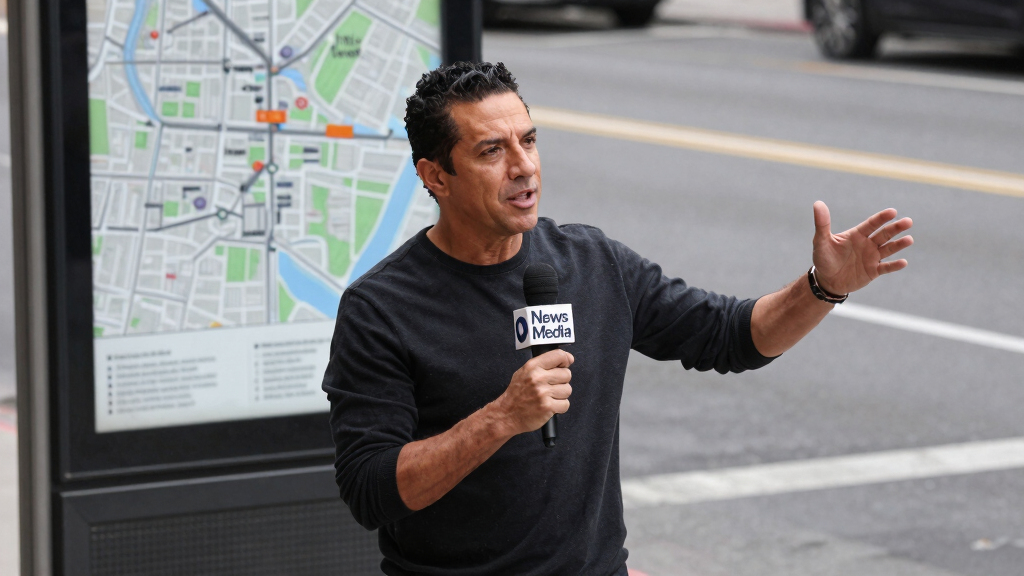
Actor Robert Davi publicly criticized a New York City map that omits Little Italy from its designated neighborhoods. The controversy raises questions about cultural recognition and urban mapping accuracy. The city has not yet responded to the criticism.
Actor Robert Davi has publicly criticized a New York City map for omitting Little Italy from its designated neighborhoods, sparking a debate over cultural recognition and urban mapping accuracy. Davi’s comments come amid growing concerns about the representation of historic communities in city planning and official documentation.
According to reports from Fox News, Davi expressed his disapproval on social media, calling the omission of Little Italy from the official NYC map ‘a slap in the face’ to the community and its heritage. The map, published by the city’s Department of City Planning, does not label Little Italy as a distinct neighborhood, instead grouping it under broader districts.
The actor, who is a longtime resident and vocal supporter of New York’s cultural history, argued that the omission diminishes the neighborhood’s significance. The city has not issued an official statement regarding the map or the controversy as of now.
Local community leaders and residents have begun voicing their concerns, with some describing the omission as a neglect of cultural history and a potential threat to neighborhood identity preservation.
Potential Impact on Cultural Recognition in NYC
This controversy underscores ongoing debates about how cities recognize and preserve their historic neighborhoods. The omission of Little Italy could influence public perception, tourism, and local identity. It also raises questions about the accuracy and inclusiveness of official city maps and documentation, which can affect community pride and historical acknowledgment.
Products Worth Considering

Jackery Explorer 300 Portable Power Station, 292Wh

LG UltraGear 27-Inch QHD OLED Gaming Monitor, 240Hz, 0.03ms, G-SYNC Compatible, FreeSync Premium Pro, HDMI 2.1

Amazon Kindle Scribe Colorsoft 64GB (1st Generation)
As an affiliate, we earn on qualifying purchases.
Historical and Recent Changes in NYC Neighborhood Mapping
Little Italy has been a historic neighborhood in Manhattan since the late 19th century, known for its Italian immigrant community and cultural landmarks. Over recent decades, urban development and gentrification have altered the neighborhood’s boundaries and visibility in official city planning documents. The latest map omission appears to be part of broader changes in how neighborhoods are delineated and labeled by city authorities.
This is not the first time that historic neighborhoods have been subject to mapping disputes; similar issues have arisen with areas like Harlem and Chinatown. The controversy highlights ongoing tensions between urban development, cultural preservation, and administrative updates.
“This is a slap in the face to Little Italy and its community. Our history deserves recognition, not omission.”
— Robert Davi
Unconfirmed Reasons Behind the Map Omission
It is not yet clear whether the omission of Little Italy was an oversight, a result of administrative boundary changes, or part of a broader reclassification of neighborhoods. The city has not provided detailed explanations or criteria used for the map updates.
Further clarification from city officials is awaited to understand the decision-making process behind the map design.
Next Steps in Addressing the Neighborhood Omission
Community leaders and residents are expected to request an official review or clarification from the city’s Department of City Planning. Public discussions or hearings may be scheduled to address concerns and consider revising the map. Additionally, advocacy groups might push for formal recognition of Little Italy in future urban planning documents.
The issue may also prompt broader debates about how cities represent their cultural histories in official maps and documents moving forward.
Key Questions
Why is the omission of Little Italy from the NYC map controversial?
The omission is seen as a neglect of a historic neighborhood, potentially diminishing its cultural significance and community identity, which many residents and advocates consider important to preserve.
Has the city responded to Robert Davi’s criticism?
As of now, the city has not issued an official response to the criticism or provided an explanation for the map’s design choices.
Could the map be revised to include Little Italy?
Yes, community advocacy and public pressure could lead to a revision or official acknowledgment of Little Italy in future mapping updates.
Does this affect tourism or local businesses?
Potentially, as official recognition can influence tourism and neighborhood visibility, though the immediate impact remains unclear.
Are there similar issues with other NYC neighborhoods?
Yes, similar disputes have occurred with neighborhoods like Harlem and Chinatown, reflecting ongoing challenges in urban mapping and cultural recognition.
Source: google-trends