
📊 Full opportunity report: Help Manage Youth Pitcher Arm Load With Consistent Tracking on IdeaNavigator AI — validation score, market gap, and execution plan.

Get everyday essentials delivered free with Prime
- Fast, free delivery on millions of items
- Prime Video, Amazon Music and more included
- Member-only deals all year
TL;DR
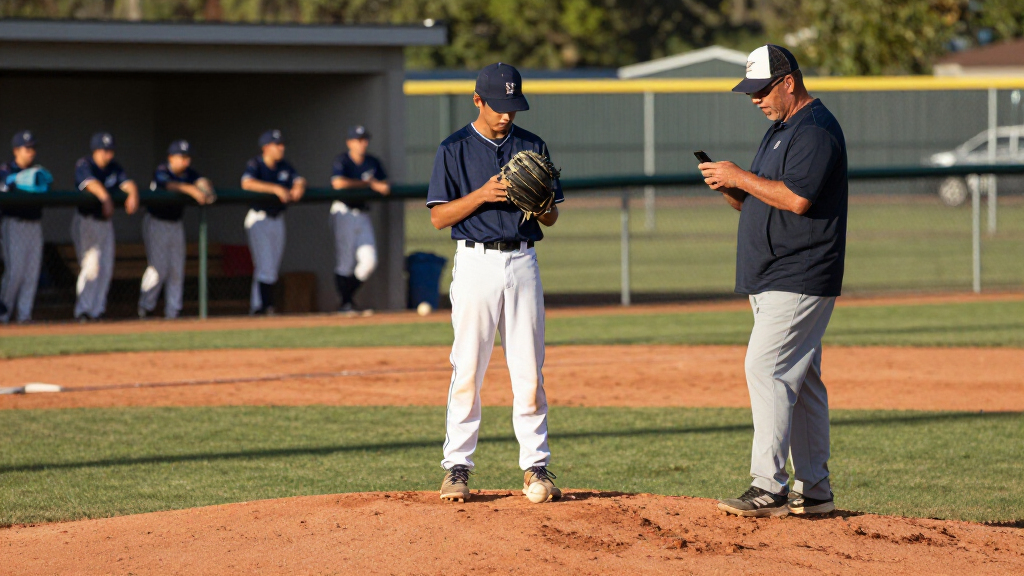
IdeaNavigator AI has outlined a proposed app that would help parents track a youth pitcher’s workload across school, travel and showcase teams. The concept has not been reported as a launched product or tested program; its suggested validation is a season-long study with 200 travel-baseball families.
IdeaNavigator AI has proposed an app for parents to record youth pitchers’ outings across school, travel and showcase teams, addressing a gap the proposal identifies in shared workload tracking. The concept would combine those records, compare rolling workload with age-based guidelines and provide reports for coaches, but no product launch, clinical evaluation or test results are reported.
The proposed first audience is parents of children pitching across several teams and seasons. The problem described is that teams may not share pitch counts, leaving a family without a single record of a player’s appearances and rest periods. The proposal says this can make cumulative workload difficult to monitor; it does not provide injury data or quantify how often records are missing.
The minimum product concept would let parents log outings quickly or import them from GameChanger. It would track rolling workload against age-based guidelines, flag selected thresholds, help schedule rest and create a shareable report for each coach. The material does not specify the thresholds, the rules used to calculate workload, or whether the proposed GameChanger import is technically available.
The suggested business model is a family annual subscription, with team licenses as a possible expansion. To test demand and use, IdeaNavigator AI proposes recruiting 200 travel-baseball families, measuring how consistently they log outings over one season and checking whether alerts affect rest decisions. No recruitment, study findings, pricing or release schedule is provided.
The proposal addresses a practical coordination problem: a young pitcher can appear for multiple teams, while no single coach may have a complete view of the player’s recent workload. A consolidated record could give parents and coaches more information when discussing appearances and recovery. That is a potential benefit of the concept, not evidence that an app would prevent injuries.
For families, the central question is whether recording every outing is manageable during a busy season and whether coaches will use the information. For a prospective business, those same questions determine whether a subscription product would be useful beyond a small group of highly engaged families. The proposed pilot is framed around logging consistency and changes to rest decisions, rather than a demonstrated reduction in arm injuries.
youth baseball pitch count tracker
As an affiliate, we earn on qualifying purchases.
As an affiliate, we earn on qualifying purchases.
Guidelines Meet Fragmented Schedules
The IdeaNavigator AI proposal says Pitch Smart guidelines already exist, while describing enforcement across a player’s separate team schedules as a gap. It also links its rationale to increased year-round participation in travel baseball and concern about elbow injuries among young players. The material offers no citations, rates or time period to support its statements about injury trends, so those claims should not be treated as independently verified findings here.
The concept is positioned as a narrow first product for one buyer—parents—rather than a general sports-injury platform. Its proposed sequence is to collect outing information, present a combined workload view and share that information with coaches. The plan does not establish that any particular guideline can account for every athlete or that automated alerts would replace advice from qualified medical professionals.
As an affiliate, we earn on qualifying purchases.
Product and Evidence Remain Open
The proposal does not identify a developer, announce funding, provide a launch date or say that an app is available. It also does not report that the suggested 200-family trial has begun. The planned subscription price, data privacy arrangements, coach participation and method for verifying parent-entered records are not specified.
Other unanswered questions concern how workload would be calculated across different age groups and formats, which thresholds would trigger alerts, and how the system would handle incomplete or conflicting team records. The proposal’s statements about rising youth elbow-surgery rates and injuries reaching high school players are not accompanied by supporting figures or named research. No evidence is presented that the proposed tracking approach changes injury risk.
As an affiliate, we earn on qualifying purchases.
Testing the Tracking Plan
The next step described is a season-long test with 200 travel-baseball families. The proposal calls for measuring how often families record outings and auditing whether workload flags influence decisions about rest. Those measures could indicate whether the workflow is usable and whether its reports enter team discussions, but they would not alone establish that the product prevents injuries.
No dates or recruitment details are available, and it is not clear whether the concept will proceed to development. Further reporting would be needed on trial participation, the guidelines and thresholds selected, any data-sharing safeguards and results from families and coaches. Until those details emerge, the app remains a proposed approach rather than a tested service.
Source: IdeaNavigator AI
As an affiliate, we earn on qualifying purchases.
Key Questions
Is the youth pitcher tracking app available now?
The material describes a product proposal. It does not report a launch, an available app or a release date.
What would the proposed app track?
Parents would record or import outings, and the app would combine workload across teams, compare it with age-based guidelines, flag thresholds and generate coach reports. The exact calculation and thresholds are not specified.
Has the concept been shown to prevent injuries?
No results are reported. The suggested test would examine logging consistency and whether alerts affect rest decisions; it would not by itself prove injury prevention.
How would the idea be tested?
IdeaNavigator AI proposes recruiting 200 travel-baseball families and following their logging behavior over a season, then auditing whether flags changed rest decisions. The material does not say the test has started.
Source: IdeaNavigator AI
Halloween Picks
halloween
As an affiliate, we earn on qualifying purchases.