
TL;DR

Get everyday essentials delivered free with Prime
- Fast, free delivery on millions of items
- Prime Video, Amazon Music and more included
- Member-only deals all year
A new pilot program is testing daily postpartum check-ins for first-time mothers discharged before six weeks. Early results suggest improved symptom monitoring and timely care, addressing a critical gap in postpartum support.
Health researchers are testing a new model of postpartum care that involves daily check-ins with first-time mothers during the first two weeks after hospital discharge. This initiative aims to address the gap in postpartum support that can leave new mothers uncertain about which symptoms require medical attention, potentially reducing complications and improving recovery outcomes.
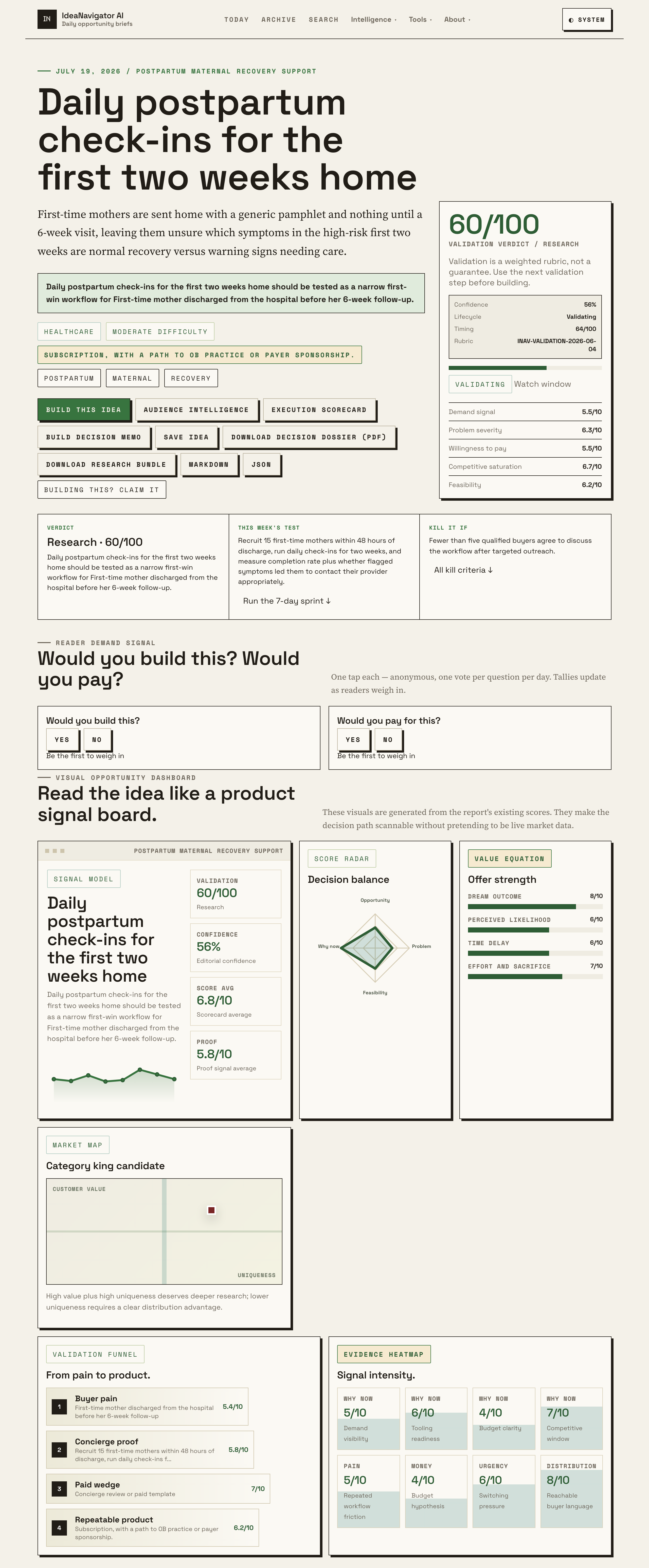
The pilot program targets first-time mothers discharged before their six-week postpartum visit, a period identified as high-risk for complications. Participants receive an onboarding process that creates a personalized recovery profile based on delivery details, feeding method, and mental health baseline. During the following two weeks, they engage in daily check-ins via a smartphone app, which delivers targeted recovery tips and prompts them to contact healthcare providers if certain symptoms are flagged.
According to an anonymous researcher involved in the project, the goal is to test whether this approach increases symptom awareness and appropriate care-seeking behavior. The program plans to recruit 15 participants within 48 hours of discharge, measuring completion rates and tracking whether flagged symptoms lead to timely medical contact. This pilot is part of broader maternal health awareness efforts emphasizing the postpartum period’s importance.
Potential to Transform Postpartum Support and Outcomes
This initiative could significantly impact postpartum care by providing continuous, personalized support during a vulnerable period. If successful, it may reduce preventable complications, hospital readmissions, and maternal distress. The approach aligns with increasing calls for more proactive, accessible postpartum support, especially as maternal health disparities persist. The model’s scalability and integration into existing healthcare systems could make it a standard component of postpartum care, benefiting mothers nationwide.
Products Worth Considering

LG UltraGear 27GX704A-B 27-inch QHD OLED Gaming Monitor, 240Hz

Samsung 49-Inch Odyssey G9 G91F Curved Dual QHD Gaming Monitor, 144Hz

Samsung Odyssey G93SC 49-Inch QD-OLED Curved Gaming Monitor
As an affiliate, we earn on qualifying purchases.
Addressing the Postpartum Support Gap in Modern Healthcare
Current postpartum care typically involves a single check-up around six weeks after delivery, leaving a critical gap in the immediate weeks following hospital discharge. During this period, many women experience symptoms that could signal serious issues, yet lack accessible, ongoing guidance. Recent maternal health campaigns have spotlighted this gap, emphasizing the need for more continuous, personalized support. The rise of smartphone technology makes daily digital check-ins a feasible intervention, with potential to fill this support void effectively.
“Daily check-ins could be a game-changer in postpartum recovery, providing women with timely guidance and reducing preventable complications.”
— an anonymous researcher
What Will the Pilot Reveal About Effectiveness?
It is not yet clear whether the daily check-in model will significantly improve recovery outcomes or reduce emergency visits. The pilot’s small sample size and short duration mean results are preliminary. Long-term effects, cost-effectiveness, and integration into standard care are still to be evaluated. Additionally, user engagement and adherence over the two-week period remain uncertain.
Next Steps for Validation and Scaling
The pilot program will conclude its initial phase with data collection on completion rates and symptom reporting. If results show promise, plans include expanding recruitment, refining the digital platform, and conducting larger studies to assess impact on maternal health outcomes. Healthcare providers and payers are also expected to evaluate the model’s potential for broader adoption and reimbursement pathways.
Key Questions
How do daily postpartum check-ins work?
Participants receive daily prompts via a smartphone app that ask about their recovery symptoms, feeding, and mental health. The app provides tailored advice and alerts the mother to seek medical care if certain warning signs are detected.
Who is eligible to participate in the pilot?
First-time mothers discharged from the hospital before their six-week postpartum appointment are eligible. The program targets those at higher risk for complications during the immediate postpartum period.
What are the benefits of daily check-ins?
Theoretically, daily check-ins can increase symptom awareness, promote early intervention, and provide emotional support, potentially leading to better recovery outcomes.
Will this program be available widely?
It is too early to determine. The current focus is on pilot testing; if successful, the model could be scaled and integrated into broader postpartum care practices.
Are there any risks associated with daily check-ins?
Risks are minimal but may include over-reliance on digital prompts or data privacy concerns. Proper safeguards and clinical oversight are planned as part of the program design.
Source: IdeaNavigator AI