📊 Full opportunity report: Exhibit-Based Learning Games For Curious Museum Visitors on IdeaNavigator AI — validation score, market gap, and execution plan.

Get everyday essentials delivered free with Prime
- Fast, free delivery on millions of items
- Prime Video, Amazon Music and more included
- Member-only deals all year
TL;DR
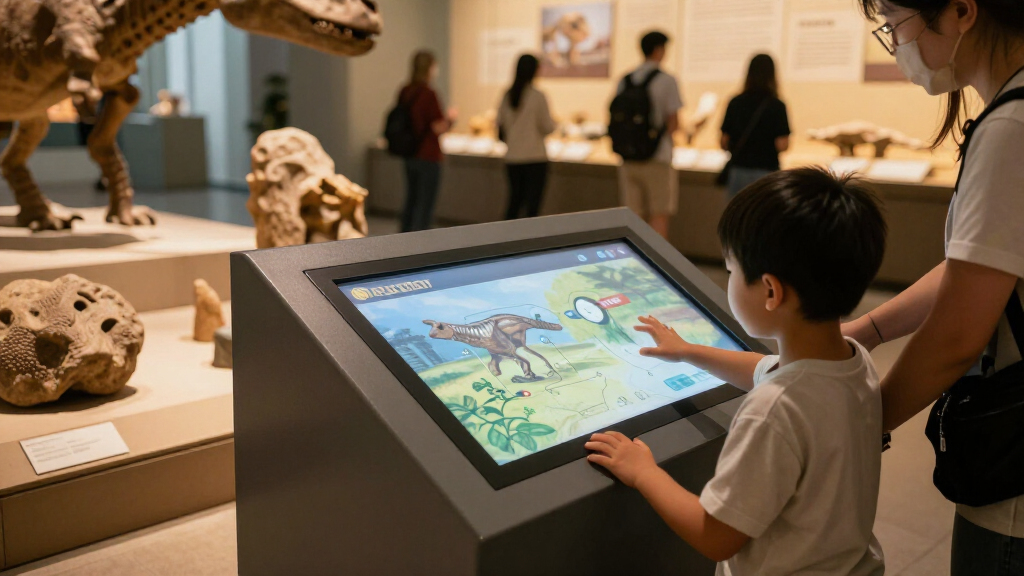
IdeaNavigator AI has proposed a fixed-price package of browser-based learning games for small museums, designed around their collections and school and family visitors. The proposal is a product concept, not a confirmed launch or proven program; it recommends testing the games with three museums before making claims about results.
IdeaNavigator AI has proposed a fixed-price service that would turn small museums’ collection records and exhibit materials into browser-based learning games for school groups and families. The concept is aimed at museums with limited staff and budgets, but it has not been reported as a launched product or a tested program.
According to the IdeaNavigator AI proposal, a museum would provide photos, exhibit labels and object records. The proposal says the provider would deliver a quest within two weeks, accessible in a web browser without an app download. It specifies three formats: a school-group activity organized by grade band and aligned with state standards, a family quest and a 10-minute solo trail.
The proposal says game text would be drafted from the museum’s collection and reviewed by a museum educator. Staff would receive a basic editor for changing objects when an exhibit is updated, along with a printable alternative and visitor analytics that could be cited in grant reports. Its suggested business model combines a fixed project price with an annual hosting and content-refresh fee; regional museum associations could purchase packages for groups of museums.
IdeaNavigator AI recommends testing the service with three small museums at cost before treating it as a viable product. The proposed trial would compare school-group bookings, family dwell time and repeat visits over one term with the same term in the previous year. It would also ask whether at least two museums would include a paid refresh in a future grant application. The proposal provides no trial results, museum commitments or price figures.
Games built around exhibits A proposal to test
IdeaNavigator AI proposes browser-based learning games for small museums, using their collection materials for school and family activities. The service is a concept, with no reported launch or trial results.
What the package proposes
Museums would supply collection and exhibit materials; an educator would review drafted game text.
Grade-based activity
A school-group quest organized by grade band and aligned with state standards.
Family quest
A browser-based activity designed for family visitors.
Solo trail
A short individual route, with a printable alternative also proposed.
A service museums could manage
The concept aims to reduce the need for small teams to build and maintain custom digital activities.
Share photos, exhibit labels and object records.
A museum educator reviews text drafted from the collection.
Staff would use a basic editor when exhibits change; hosting and refreshes would carry an annual fee.
What a pilot would measure
The proposed evaluation compares one school term with the same term in the previous year.
| Measure | What it could indicate |
|---|---|
| School-group bookings | Whether bookings change |
| Family dwell time | Whether visit time changes |
| Repeat visits | Whether return visits change |
| Paid refresh interest | Whether two museums would seek funding for a future refresh |
A Test for Lean Museum Education
The proposal addresses a practical constraint for museums with small teams: creating and maintaining activities takes staff time, while custom digital work can exceed an education budget. A ready-made production process could, if it works as described, give these institutions a way to offer more structured visitor activities without commissioning a bespoke app or building all the content themselves.
For museum directors and educators, the key issue is not simply whether visitors can play a game. The measures proposed by IdeaNavigator AI—school bookings, family dwell time and repeat visits—would help establish whether the activity is associated with changes that matter to the institution. They are evaluation measures, not evidence that games increase attendance or engagement. Comparing results with the previous year would also require accounting for other factors that affect visits and bookings.
The proposal’s grant-reporting element may appeal to museums seeking to document educational work, but it does not establish that a particular grant will cover the service. Museums would need to verify eligibility, costs and reporting requirements with the relevant funder before budgeting for it.
Products Worth Considering

Bose QuietComfort True Wireless Earbuds with Active Noise Cancellation, Bluetooth 5.3, USB-C Charging, IPX4, Black

Samsung Galaxy Tab S7 11-inch Android Tablet 128GB Wi‑Fi with S Pen Mystic Black

Samsung Galaxy Tab A11+ (6GB RAM, 128GB Storage) – Gray
As an affiliate, we earn on qualifying purchases.
The Proposed Grant-Funding Window
In its proposal, IdeaNavigator AI describes a changing funding environment. It says the Institute of Museum and Library Services announced FY2026 Inspire Grants for Small Museums on Sept. 9, 2026, funding 88 museums for educational programs and exhibits. The proposal also refers to an April 2026 court settlement that left the agency intact and says the president’s FY2027 budget again proposed eliminating IMLS. These are claims made in the proposal and are not independently detailed here.
The proposal lists the FY2027 National Leadership Grants deadline as tentatively Nov. 13, 2026. It does not establish that date as final; applicants should check current IMLS information. IdeaNavigator AI’s broader argument is that a fixed-price education project might be easier for a small museum to plan within a grant than an open-ended custom software contract. The proposal identifies no grant application, award or purchase tied to this game concept.
IdeaNavigator AI identifies directors or sole educators at small history, art and science museums as its intended customers, particularly institutions with budgets typically below $250,000 a year that host school groups and families. The proposal says such museums may rely on long-used printed worksheets, while app-based scavenger hunts can still require staff to write, test and update content. These are assumptions underlying the business idea, not findings from a published survey.
No Pilot or Pricing Yet
The IdeaNavigator AI proposal identifies no named company, launch, participating museum or completed evaluation. It gives no price for the initial build or yearly hosting, does not specify the technical platform, and does not explain how visitor data would be collected, stored or protected. Those details would affect whether a small institution could afford the service and use its analytics responsibly.
The proposed two-week turnaround and educator review are targets, not demonstrated delivery results. The proposal does not explain how much work museums would need to prepare collection materials, how standards alignment would be checked, or how accessible the activities would be for visitors with different needs and devices. It reports no evidence that the games would lengthen visits, increase repeat attendance or improve school bookings.
Three-Museum Trial Would Test Demand
IdeaNavigator AI’s proposal outlines a next step: build versions for three small museums at cost and run them for one school term. The proposed evaluation would compare bookings, family dwell time and return visits with the same period a year earlier, then test whether two museums would seek funding for a paid content refresh.
That trial could provide an initial indication of usability and willingness to pay, though three institutions would not establish how the model performs across the wider museum sector. Until a pilot, price list or customer commitment is reported, the concept remains a proposal. Museums considering similar projects should confirm grant deadlines and terms directly with funders and assess staffing, accessibility and privacy requirements before adopting a visitor analytics tool.
Source: IdeaNavigator AI proposal
Key Questions
Is the museum game service available now?
No launch is reported. IdeaNavigator AI describes a proposed service and recommends a three-museum test; it does not identify a product currently available to buy.
What would a participating museum receive?
According to the IdeaNavigator AI proposal, the package would include a browser-based quest in three formats, content based on the museum’s collection, educator review, a simple editing tool, a printable fallback and visitor analytics. These are planned features, not confirmed product specifications.
How much would the games cost?
No prices are given. The proposal describes a fixed-price build and an annual fee for hosting and refreshes, with regional museum associations considered as group buyers.
Have the games been shown to increase visits or bookings?
No results are reported. IdeaNavigator AI’s proposal suggests measuring school bookings, family dwell time and repeat visits during a pilot, but it does not claim those outcomes have already improved.
What is the next proposed milestone?
IdeaNavigator AI proposes building games for three museums at cost and tracking selected measures over one term. The proposal also suggests checking whether two museums would include a paid refresh in a future grant application.
Source: IdeaNavigator AI