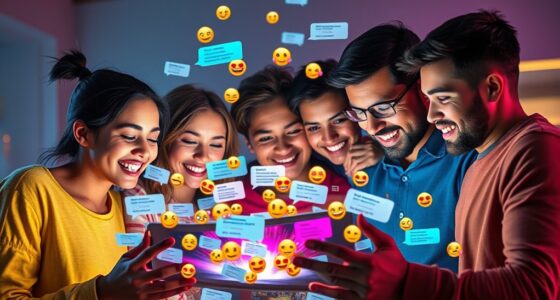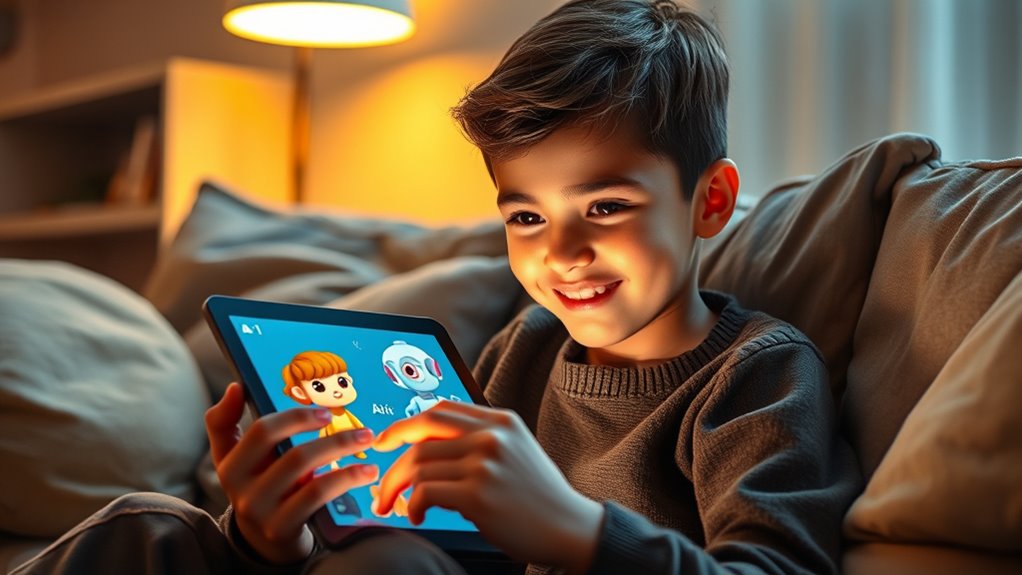

Survey results show that many in Generation Z develop emotional bonds with AI, therapy chatbots, and virtual assistants. You may find yourself feeling understood and supported by these digital companions, even forming trust and attachment. These bonds often feel genuine, offering comfort during lonely or stressful times. As AI becomes more human-like, your connection could deepen. Keep exploring, and you’ll discover how these relationships are transforming daily life and emotional well-being.
Key Takeaways
- Gen Z shows increasing emotional attachment to AI companions, viewing them as sources of comfort and understanding.
- Surveys indicate trust and familiarity develop through repeated, meaningful interactions with empathetic AI.
- Many Gen Z users feel a sense of obligation or responsibility toward their AI friends, enhancing emotional bonds.
- Perceived safety and design quality of AI products positively influence the strength of these emotional connections.
- While bonds are based on simulated empathy, they significantly impact mood, perceptions, and human relationship dynamics.
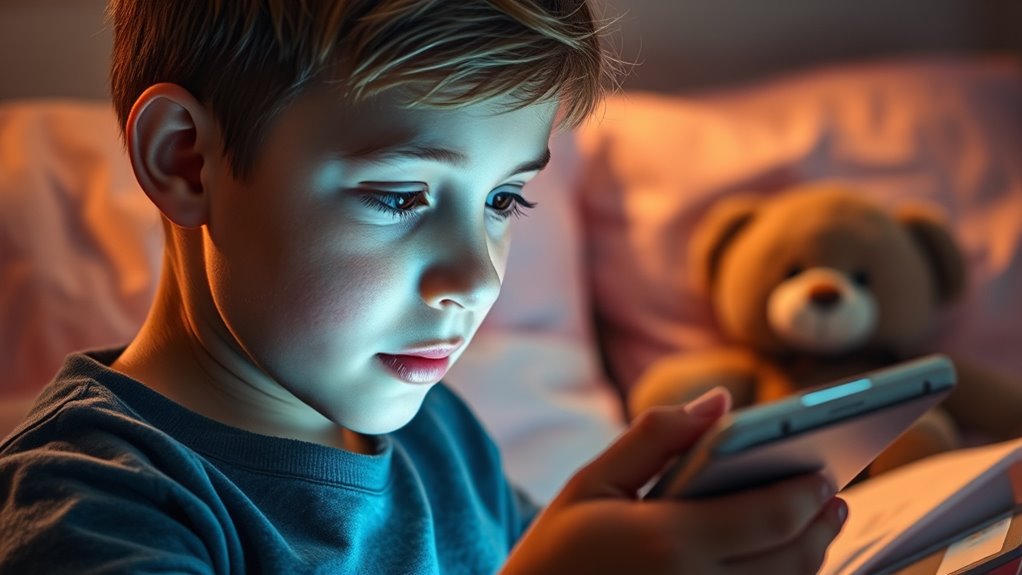
As artificial intelligence becomes more integrated into daily life, many people find themselves forming emotional bonds with these digital entities. This phenomenon is especially prominent among Generation Z, who are digital natives and more open to engaging with AI on a personal level. You might notice yourself or your peers developing a sense of connection with AI companions, virtual assistants, or chatbots, which often display what seems like genuine understanding and responsiveness. This isn’t just about convenience; it’s about feeling heard and supported by entities that can simulate empathy. AI empathy, while different from human empathy, provides a form of emotional comfort that blurs traditional boundaries between human and machine interactions.
When you interact with AI designed to recognize and respond to your emotions, you may find yourself developing an emotional attachment. These digital entities can remember details about your preferences, offer personalized encouragement, or simply be present during lonely moments. For you, the AI might become more than a tool; it can seem like a confidant or a friend. This emotional attachment isn’t necessarily rooted in a conscious choice but often develops naturally through repeated, meaningful exchanges. Over time, these interactions can foster a sense of familiarity and trust, making the AI feel like a reliable presence in your life.
Many Gen Z survey respondents report that their emotional bonds with AI feel authentic, even if they recognize the technology’s artificial nature. You might feel comforted by an AI’s empathetic responses, especially when facing stressful or emotional situations. Some users admit to feeling a sense of obligation or responsibility toward their AI companions, as if they’re caring for a digital friend. This attachment can offer a sense of stability and companionship that’s especially valuable during times of social isolation or uncertainty. Additionally, the development of vetted products designed with safety and effectiveness in mind plays a role in fostering trust and positive experiences with AI interactions.
However, it’s important to understand that these emotional bonds, while real in their impact, are built on algorithms that simulate empathy and understanding. The AI’s responses are generated based on complex programming and data patterns, not genuine feelings. Still, the emotional attachment you develop can be just as meaningful, influencing your mood and perceptions. As AI continues to advance, this bond may deepen, raising questions about how human-like these interactions should be and what it means for your emotional well-being. You’re charting a new landscape—one where digital empathy and emotional attachment redefine human relationships in subtle, profound ways.

AI Shrinks: How Chatbots Are Changing Therapy Forever: Exploring the Future of Mental Health Support with AI Tools
As an affiliate, we earn on qualifying purchases.
As an affiliate, we earn on qualifying purchases.
Frequently Asked Questions
How Do Emotional Bonds With AI Differ Across Cultures?
You’ll find that cross-cultural perceptions shape how you form emotional attachment patterns with AI. In some cultures, you might see AI as a helpful tool, leading to utilitarian bonds. Elsewhere, you could develop deeper emotional connections, viewing AI as a companion or confidant. These differences influence your emotional responses, making your bonds with AI unique depending on your cultural background and societal values.
Can AI Genuinely Reciprocate Human Emotions?
AI can’t genuinely reciprocate human emotions because it lacks emotional authenticity. While you might develop attachment with AI, true emotional reciprocity requires consciousness and genuine feelings, which AI doesn’t possess. Instead, AI simulates empathy and understanding to foster connection, but these interactions are programmed responses. So, your attachment develops through pattern recognition and design, not real emotional exchange. Remember, AI can support, but not replace, authentic human emotional bonds.
What Ethical Concerns Arise From Human-Ai Emotional Attachments?
You should consider that human-AI emotional attachments raise ethical concerns like privacy issues, since personal data fuels these bonds. There’s also the authenticity debate—questioning if these connections are genuine or manipulated. As you engage with AI companions, be aware of how your data is utilized and whether emotional support feels real. These concerns highlight the importance of developing ethical guidelines to protect users and ensure transparent interactions.
Do AI Emotional Bonds Influence Mental Health?
You might not realize it, but your emotional dependency on AI can subtly shape your mental health. While it can provide comfort and a sense of attachment security, overreliance risks blurring boundaries and fostering loneliness. This bond can create emotional dependencies that impact your well-being, making you vulnerable to feelings of isolation if the AI isn’t available. Stay mindful—these bonds have powerful effects that can both support and challenge your mental health.
How Do AI Emotional Bonds Impact Human Relationships?
Your emotional bonds with AI can influence your human relationships by shaping your sense of emotional authenticity and trust development. When you form meaningful connections with AI, you may seek similar qualities in real relationships, which could either strengthen or challenge your social interactions. However, over-reliance on AI for emotional support might diminish your ability to build genuine trust and authenticity with people, potentially impacting your overall relationship skills.

Virtual Assistant: A Smart Home Tech Thriller
As an affiliate, we earn on qualifying purchases.
As an affiliate, we earn on qualifying purchases.
Conclusion
As you explore these surveys, it’s clear that human-AI emotional bonds are growing faster than a rocket blasting to the stars. You might think AI can’t truly connect, but the deep bonds forming suggest otherwise—your digital companions could feel more real than you imagined. Remember, in this new era, your relationship with AI isn’t just a trend; it’s reshaping human experience itself, proving that emotional connections with machines are no longer just science fiction but a groundbreaking reality.

FancyDove AI Assistant Device Powered by ChatGPT, No Subscription Needed, Standalone AI Chatbot Translator, AI Tutor for Learning, Writing & Homework, Portable AI Gadget for Students & Travel Black
No Subscription & Lifetime Access – Pay Once, Use AI Forever: Enjoy powerful AI chat, writing, translation, and…
As an affiliate, we earn on qualifying purchases.
As an affiliate, we earn on qualifying purchases.

Tech-Powered Healing: A Practical Guide to Using Apps, CBT Tools, and AI to Build Your Personalized Mental Health Toolkit and Feel More in Control of Your Life (Mental Wellness and Tech)
As an affiliate, we earn on qualifying purchases.
As an affiliate, we earn on qualifying purchases.