

🔍 Read the full analysis: The Possible Jobs Impact Of A December Rate Hike On AI on ThorstenMeyerAI.com

Get everyday essentials delivered free with Prime
- Fast, free delivery on millions of items
- Prime Video, Amazon Music and more included
- Member-only deals all year
TL;DR
Federal Reserve Governor Christopher Waller said the Fed may need to raise interest rates by half a percentage point at its December meeting unless it signals another increase in January. Higher borrowing costs could weigh on AI companies financing data centers and hiring, but no decision has been made and there is no confirmed estimate of job losses.
Federal Reserve Governor Christopher Waller said November 18 that the central bank may need to raise its benchmark interest rate by half a percentage point in December unless it signals another increase in January. The proposal is not a Fed decision, but higher borrowing costs could pressure AI companies financing data centers and affect their plans for investment and hiring; no job impact has been quantified.
In a live CNBC interview, Waller said that without a clear signal of a January move, “you have to go 50 [basis points] in December.” A basis point is one hundredth of a percentage point, so 50 basis points equals half a point. Waller said he was concerned that inflation was “headed in the wrong direction” and spreading. His comments were reported by CNBC; the Federal Reserve’s speech listing did not include a transcript of the interview as of November 19.
Waller had outlined a possible trigger in a November 10 speech: he said a 50-basis-point increase should be considered if core consumer prices rose around 0.3% in October. Core CPI rose 0.3%, according to CNBC’s report of Bureau of Labor Statistics data. Separately, September prices measured by the personal consumption expenditures index were 3.6% higher than a year earlier, against the Fed’s 2% inflation goal, according to the source article.
The rate-setting Federal Open Market Committee (FOMC) has not endorsed Waller’s proposal. He is one of 12 voters, and the article says the committee held rates in October after a quarter-point increase in September. A quarter-point December hike would put the target range at 4% to 4.25%; a half-point move would put it at 4.25% to 4.5%. Those are possible outcomes, not announced plans.
Higher Rates Could Reach AI Hiring
AI’s potential exposure comes through financing, not a direct Fed decision about employment. Building data centers requires substantial capital, and higher interest rates can raise borrowing costs for companies funding facilities, computing equipment and related infrastructure. If projects become more expensive or less attractive, firms could delay investment or limit expansion. That could affect hiring plans, including demand for workers building and operating infrastructure, but the source material does not establish that a December hike would cause layoffs or a particular number of lost jobs.
Fed Vice Chair for Supervision Michelle Bowman said AI-related debt “is on track to exceed $800 billion this year” and that higher rates already “appear to be holding back investment” at newer and medium-sized AI firms. Those are her assessments, not a forecast of job cuts. The distinction matters: a possible restraint on investment may influence future staffing, while the scale and timing of any employment effect remain unknown.
The broader labor market also gives policymakers a reason to weigh inflation against employment conditions. Unemployment was 4.1% in October, and Waller and the October meeting minutes described a “low hire, low fire” market. In such a market, fewer workers may be dismissed, but people who lose jobs can take longer to find new ones. The source provides no evidence that AI firms have already changed staffing plans because of Waller’s proposal.
Products Worth Considering

Logitech MX Keys S Combo Wireless Keyboard and Mouse, Graphite

LG 27GS60QC-B Ultragear 27-inch Curved Gaming Monitor (QHD, 180Hz, 1ms, 1000R)
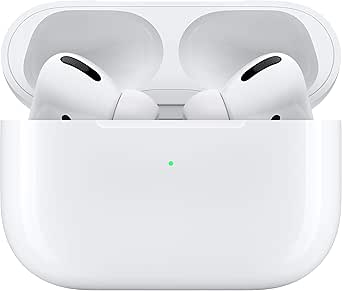
Apple AirPods Pro
As an affiliate, we earn on qualifying purchases.
The Fed’s December Decision
The federal funds rate is the Fed’s target range for overnight lending between banks. Changes can influence borrowing costs across the economy, though not every loan changes immediately or by the same amount. Fixed-rate debt generally is not repriced until renewal, while some other rates can respond sooner. The article gives an illustrative estimate that a $100,000 loan repriced by a full half-point would cost about $500 more in interest over a year; it is not a prediction for every borrower.
The source says the target range was 3.75% to 4% after a September 16, 2026, increase, which it describes as the first hike in more than three years. The Fed had cut rates three times in 2025 and held the range at its October meeting. Waller said policymakers may need to reverse the prior “insurance cuts” and possibly go further, but that is his view rather than committee guidance.
Waller is not the only official discussing the possibility of larger moves. Minutes from October’s meeting said “a couple of participants” thought an increase greater than 25 basis points could warrant consideration if inflation data were unfavorable. But New York Fed President John Williams said, “I don’t think the situation calls for dramatic action.” The remarks show differing views within the central bank, not a settled consensus.
“If you’re not going to signal this very clearly to markets, you’re going in January, my view is then you have to go 50 [basis points] in December to put it in place and get it done.”
— Christopher Waller, Federal Reserve governor, as quoted by CNBC on November 18
No Confirmed AI Job Forecast
The Fed has not decided whether to raise rates by a quarter point, a half point or not at all in December. Waller’s comments represent his view, and the article does not establish that other voting members support his preferred path. It also does not provide a confirmed estimate of how a rate increase would change AI-sector employment.
The eventual effects would depend on the Fed’s decision, how financing costs pass through to particular firms, companies’ existing debt and cash, and whether projects or hiring plans change. Bowman’s statement about investment being held back is a reported assessment, not proof that a specific data-center project or job has been cancelled. The source material also does not supply a complete account of the relevant October inflation data or a detailed employment forecast.
Inflation and Jobs Reports Ahead
The Fed’s next scheduled policy meeting is December 8-9, 2026. Before then, the October PCE inflation data are due November 25, followed by the November jobs report, according to the source article. Those releases could inform policymakers’ discussion, but the article does not say how any individual report would determine the vote.
Readers should distinguish Waller’s public proposal from the committee’s eventual decision and from any company-specific staffing announcement. The next clear milestone is the FOMC decision and its accompanying explanation. Until then, the size of any rate move, the prospects for a January increase and the consequences for AI investment and jobs remain open.
Key Questions
Has the Fed decided to raise rates by half a point in December?
No. Waller proposed that option, but the FOMC makes the decision collectively at its December 8-9 meeting.
Why does Waller favor a larger increase?
He cited concern that inflation was moving in the wrong direction. September PCE prices were 3.6% above their level a year earlier, compared with the Fed’s 2% goal, according to the source article.
Could a rate hike lead to AI job losses?
It could put pressure on financing-intensive investment and, in turn, influence hiring plans. But there is no confirmed job-loss estimate or evidence in the source that the proposed move has already led to AI layoffs.
What upcoming information could shape the decision?
The source identifies October PCE inflation data due November 25 and the November jobs report as releases ahead of the Fed’s December 8-9 meeting.
Source: ThorstenMeyerAI.com