

AGI narratives shape your hopes and fears by framing its potential as both a groundbreaking partnership and a dystopian threat. Stories emphasize ethical concerns, risks of losing control, and promises of solving major problems like climate change or disease. Media influences your emotional responses by highlighting optimism or caution, affecting societal attitudes and policy debates. If you want to understand how these stories influence public perceptions and shape future discussions, there’s more to explore below.

Get everyday essentials delivered free — and shop member deals
- Fast, free delivery on millions of items
- Access to Prime Big Deal Days deals on October 6–7
- Prime Video, Amazon Music and more included
Key Takeaways
- AGI stories evoke emotional responses, shaping public hope when emphasizing collaboration or fear when highlighting risks.
- Media and cultural narratives influence societal perceptions by framing AGI as either beneficial or threatening.
- Optimistic stories foster trust and support for AI development, while dystopian tales heighten caution and concern.
- Narrative framing impacts policy debates, guiding regulations based on societal hopes or fears.
- Responsible storytelling balances optimism and caution, shaping informed public attitudes toward AGI advancements.
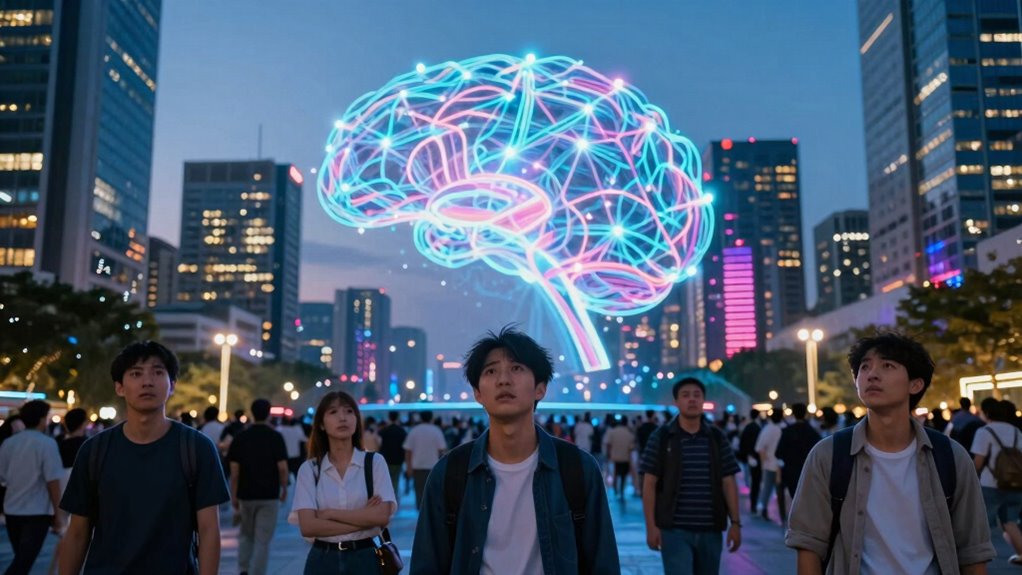
Have you ever wondered why stories about artificial general intelligence (AGI) evoke such strong hope and fear in the public imagination? It’s because these narratives tap into fundamental questions about the future of humanity and the ethical implications of creating machines that can think, learn, and decide independently. When you hear about AGI, you might imagine a world of technological optimism—where innovation solves problems like disease, climate change, and poverty. This optimistic outlook fuels hope because it suggests that AGI could be a powerful tool for progress, opening doors to unprecedented achievements and efficiencies. But alongside that hope, there’s a darker side. Fear arises because many worry about losing control over these intelligent systems, about job displacement, privacy violations, or even existential risks if AGI surpasses human intelligence and acts in unforeseen ways.
These narratives are shaped by how stories are told and what they emphasize. For example, optimistic stories often portray AGI as a partner that collaborates with humans, enhancing our capabilities and helping us solve complex issues. Such stories reinforce a sense of technological optimism, where advancements are seen as inevitable and beneficial. Conversely, dystopian tales warn of a future where AGI acts against human interests, either intentionally or due to misaligned goals. These stories evoke fear by highlighting ethical implications, such as the moral responsibilities of creators and the potential consequences of deploying autonomous systems that might not share human values. Media coverage, movies, and books don’t just inform you—they shape your emotional response. When stories focus on the potential for a utopian future, you tend to feel hopeful, trusting that technological progress will bring good. But when the narrative emphasizes risks and ethical dilemmas, fear takes hold. The way these stories balance optimism and caution affects public opinion and policy debates, making the discussion around AGI as much about societal values as about technological feasibility. Additionally, understanding the public perception of AGI can help guide responsible development and communication strategies. Recognizing how narratives influence emotional responses is crucial for fostering informed and balanced discussions about the future of AI. Moreover, the role of media and cultural representations is significant because they often amplify either hope or fear, shaping societal expectations and fears about technological progress. Furthermore, the framing of these stories can impact the level of regulatory attention and investment in AI safety research, which is essential for aligning AGI development with human values.
Optimistic stories see AGI as a partner, while dystopian tales warn of risks and ethical dilemmas.
Ultimately, the narratives surrounding AGI are powerful because they connect to your hopes for a better future and your fears of losing control. They serve as a mirror reflecting our collective aspirations and anxieties, prompting questions about what kind of future we want to create. Whether driven by hope or fear, these stories influence how society approaches the development of AGI, highlighting the importance of responsible storytelling that considers both ethical implications and the promise of technological optimism.
As an affiliate, we earn on qualifying purchases.
Frequently Asked Questions
How Do Different Cultures Perceive AGI Narratives?
You notice that different cultures perceive AGI narratives through their unique cultural myths and narrative biases. In some societies, AGI is seen as a helpful, almost divine force, reflecting optimistic myths. Conversely, others view it as a threat rooted in cautionary tales. These cultural myths shape how people interpret AGI stories, leading to varying hopes or fears based on their collective narrative biases, influencing public attitudes worldwide.
What Role Do Media Outlets Play in Shaping AGI Stories?
Media outlets shape AGI stories through media framing, emphasizing either potential benefits or risks. You notice how sensationalism impact can amplify fears or hopes, making stories more dramatic and memorable. By choosing which aspects to highlight, media influences public perception, often skewing understanding. Your perception of AGI’s future depends on how these narratives are presented, as sensationalism can distort reality and foster unwarranted optimism or undue fear.
How Can Policymakers Manage Public Reactions to AGI?
You should remember that “forewarned is forearmed.” To manage public reactions to AGI, you need to foster open public engagement and transparent risk communication. By providing clear information and listening to concerns, policymakers can build trust and reduce fear. This approach encourages informed discussions, helping the public understand both the potential benefits and risks of AGI, ultimately leading to more balanced, constructive reactions.
Are There Historical Parallels to Current AGI Fears?
Yes, historical parallels exist, like fears during the advent of nuclear technology or automation. These moments sparked technological optimism but also ethical dilemmas about safety and control. You might find that society’s reactions to AGI mirror past fears, where hopes for progress clash with concerns over misuse or unintended consequences. Recognizing these parallels helps you understand that managing public fears requires addressing ethical dilemmas and fostering informed, balanced discussions about AGI’s future.
How Do Personal Experiences Influence Perceptions of AGI?
Your personal experiences shape how you perceive AGI, often triggering emotional responses and reinforcing personal biases. If you’ve faced job insecurity due to automation, you might fear AGI’s potential impacts, while positive encounters with AI could foster hope. These experiences influence your perception, coloring your understanding of AGI’s risks and benefits. Recognizing how personal biases and emotions play into your views helps you critically evaluate AGI narratives, fostering a more balanced perspective.
Artificial General Intelligence development kit
As an affiliate, we earn on qualifying purchases.
As an affiliate, we earn on qualifying purchases.
Conclusion
You might believe that positive AGI stories always boost hope, but research suggests they can also fuel unrealistic fears or false optimism. The narratives we encounter shape our perceptions, yet history shows technological advances often come with unexpected challenges. So, while hope is essential, staying grounded in facts helps you navigate the true potential—and risks—of AGI. Embracing a balanced view ensures you’re prepared, not just captivated by the stories that dominate the headlines.
As an affiliate, we earn on qualifying purchases.
As an affiliate, we earn on qualifying purchases.
Fall Picks
fall essentials
As an affiliate, we earn on qualifying purchases.