

AI vendors use free tools to speed up development, cut costs, and stay ahead of competitors. By leveraging open-source frameworks and public datasets, you can rapidly prototype and improve your solutions without heavy expenses. These tools help you personalize features, analyze market gaps, and respond quickly to customer needs. This strategic approach boosts innovation and differentiation, giving you an edge. Keep exploring to see how you can harness these methods for your success.
Key Takeaways
- Leverage open-source frameworks for rapid development and faster time-to-market.
- Utilize pre-built modules and APIs to customize solutions efficiently and attract diverse customers.
- Conduct competitive analysis using public datasets to identify market gaps and differentiate offerings.
- Reduce costs with open-source AI models, enabling competitive pricing and strategic market positioning.
- Promote rapid prototyping and experimentation to innovate quickly and stay ahead of competitors.

Many AI vendors now leverage free tools to develop and enhance their offerings, allowing them to innovate quickly without hefty expenses. This strategy gives you a significant edge in the competitive landscape, enabling you to refine your products and better meet customer needs. By integrating free AI frameworks and resources, you can accelerate development cycles, respond faster to market changes, and keep costs manageable. This agility is essential when aiming to capture market share, especially as customers grow more demanding and seek solutions that deliver immediate value.
Using free tools also helps you boost customer engagement. You can develop personalized features and intuitive interfaces without draining your budget, making your offerings more attractive and accessible. When customers feel understood and engaged, they’re more likely to stick around and promote your solutions. Free AI platforms often come with pre-built modules and APIs that streamline the process of creating tailored experiences, empowering you to quickly adapt to customer feedback and evolving preferences. This responsiveness fosters loyalty and enhances your reputation in the marketplace.
Moreover, free tools facilitate more effective competitive analysis. By tapping into open-source resources and publicly available datasets, you gain deeper insights into what your competitors are doing. You can analyze their strengths and weaknesses, identify gaps in the market, and develop strategies that differentiate your offerings. With access to community-driven AI models and collaborative platforms, you can benchmark your solutions against industry standards and continuously improve. This ongoing competitive analysis allows you to stay ahead, making informed decisions that position you favorably against rivals who may be relying on costly proprietary systems. Additionally, leveraging open-source AI models and exploring sound healing science can significantly reduce development costs and provide you with a competitive advantage. Integrating industry-specific data further enhances your ability to tailor solutions to customer needs and market demands.
Another advantage of using free tools is the ability to experiment and prototype rapidly. You can test different algorithms, features, and customer engagement strategies without hefty investments. This iterative process helps you identify the most effective approaches, reducing the risk of costly missteps. By leveraging community support and shared knowledge, you gain valuable insights and best practices that speed up your development cycle. This nimbleness not only attracts more customers but also builds your reputation as an innovative player in the AI space.
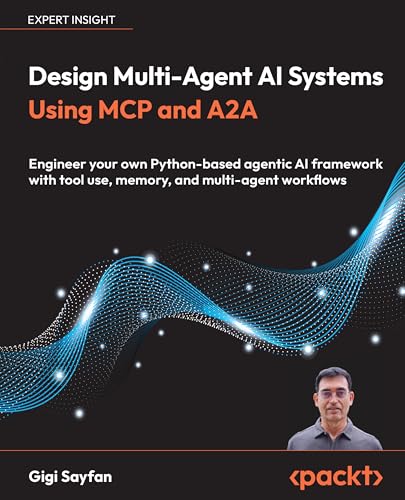
Design Multi-Agent AI Systems Using MCP and A2A: Engineer your own Python-based agentic AI framework with tool use, memory, and multi-agent workflows
As an affiliate, we earn on qualifying purchases.
As an affiliate, we earn on qualifying purchases.
Frequently Asked Questions
How Do Free Tools Impact AI Vendor Pricing Strategies?
Free tools impact your AI vendor pricing strategies by boosting market penetration and helping you stand out through competitive differentiation. Offering free options attracts more users, increasing your market share quickly. This approach allows you to showcase your technology’s value upfront, encouraging upgrades and paid plans later. By leveraging free tools strategically, you position yourself as a leader, making it harder for competitors to catch up and strengthening your overall market presence.
What Legal Risks Are Involved With Free AI Tools?
You face legal risks like infringing on intellectual property rights if free AI tools use copyrighted data or proprietary algorithms without permission. Additionally, failing to guarantee regulatory compliance can lead to hefty fines, especially since 60% of AI companies report legal issues with data privacy. To avoid trouble, you should verify licensing terms and stay current on regulations, reducing your risk of costly lawsuits or penalties.
Do Free Tools Affect the Quality of AI Solutions Offered?
Free AI tools can affect the quality of solutions you develop because of tool limitations, like restricted features or data access. These limitations might lead to subpar user experience, as the AI may not perform as seamlessly or accurately as paid options. While free tools are great for experimentation, they often lack the robustness needed for high-quality, reliable AI solutions, so you might need to upgrade for better performance.
How Do Free Tools Influence Customer Trust in AI Vendors?
You might think free tools boost customer trust, but ironically, they often do the opposite. When vendors offer free solutions, you could question their brand credibility and wonder if quality is compromised. User trust becomes fragile if you suspect the free version is just a teaser for pricey upgrades. So, while free tools seem generous, they can actually make you skeptical about an AI vendor’s true value and reliability.
Are Free Tools Sustainable for Long-Term AI Market Growth?
Free tools can support long-term AI market growth by boosting market adoption and lowering innovation barriers for users. When you leverage these tools, you help expand a broader customer base, encouraging new ideas and applications. However, sustainability depends on vendors balancing free offerings with paid services, ensuring ongoing innovation and support. If managed well, free tools can be a strategic part of a sustainable growth model, fostering trust and continuous development.
As an affiliate, we earn on qualifying purchases.
Conclusion
Just as a skilled fisherman uses every trick in the book to lure in a catch, AI vendors harness free tools to bait and reel in market share. These resources act as the shining bait, drawing in potential clients and opening pathways for growth. By leveraging these cost-effective strategies, you can navigate the competitive waters with confidence, turning the tide in your favor. Remember, in this game, smart use of free tools can be your strongest net.

Co-Intelligence: Living and Working with AI
As an affiliate, we earn on qualifying purchases.
As an affiliate, we earn on qualifying purchases.

AI Engineering: Building Applications with Foundation Models
As an affiliate, we earn on qualifying purchases.
As an affiliate, we earn on qualifying purchases.