
The future of work will see automation and AI taking over routine tasks, pushing you to focus on skills like creativity, empathy, and critical thinking. Flexibility and digital literacy will become essential as roles evolve, blending traditional employment with gig work and remote collaboration. You’ll need to stay adaptable and continuously learn new tools and strategies to stay relevant. Keep exploring, and you’ll discover how to navigate this exciting and ever-changing work landscape with confidence.
Key Takeaways
- Automation is streamlining routine tasks, shifting focus toward roles emphasizing strategic thinking and human interaction.
- Augmentation enhances human capabilities with AI tools, enabling workers to perform complex tasks more efficiently.
- Human roles will increasingly involve empathy, creativity, and critical thinking that machines cannot replicate.
- Success in the evolving workplace requires continuous learning, technological literacy, and adaptability to new tools.
- The future work environment emphasizes flexibility, innovation, and the seamless integration of human skills with automation.

Have you ever wondered how the world of work is changing so rapidly? The landscape is evolving at an unprecedented pace, driven by technological innovations and shifting societal expectations. One of the most noticeable changes is the rise of the gig economy, where short-term contracts, freelance projects, and independent work are becoming the norm. Instead of sticking to a traditional 9-to-5 job, you’re increasingly likely to find yourself juggling multiple gigs, each offering flexibility but also requiring adaptability and self-direction. This shift benefits workers who crave independence and varied experiences, but it also demands new skills in managing time, finances, and client relationships. As the gig economy expands, remote collaboration becomes essential. You might find yourself working alongside teammates scattered across different time zones, relying on digital tools to communicate, share ideas, and coordinate tasks seamlessly. These platforms enable real-time collaboration and foster a sense of connection, even when you’re physically apart. You need to be comfortable *steering* virtual meetings, instant messaging, and cloud-based project management systems, which are now integral to most modern workplaces. Remote collaboration not only broadens your opportunities to work with diverse teams but also pushes you to develop a high degree of self-discipline and communication skills. It’s no longer just about what you do but how effectively you can contribute remotely. As automation continues to advance, routine tasks in many industries get streamlined or replaced by AI and machine learning, but your role becomes more about oversight, strategic thinking, and human interaction. This means you’ll need to focus on skills that machines can’t replicate—empathy, creativity, critical thinking, and problem-solving. The future of work encourages you to adapt constantly, embracing new tools and methodologies to stay relevant. Additionally, understanding the importance of projector technology and visual presentation tools can give you an edge in remote work environments where clear, engaging communication is key. The boundaries between traditional employment and freelance work blur as companies prefer flexible staffing models, hiring talent on a project-by-project basis, often through online platforms. This creates a landscape where your ability to collaborate remotely, showcase your skills digitally, and manage multiple roles simultaneously becomes *vital*. Overall, you’re stepping into a world where flexibility, technological literacy, and social intelligence define success. The rapid changes in the work environment challenge you to be proactive, continuously learning, and open to new ways of working. Embracing the gig economy and mastering remote collaboration aren’t just trends—they’re essential skills for thriving in the future of work. Your adaptability and willingness to evolve will determine how well you *orienteer* this dynamic, interconnected professional landscape.

Microsoft Teams Cheat Sheet – 2 Page Quick Reference Guide | Chats, Teams, Meetings, Video Calls, File Sharing, Calendar, Shortcuts, Collaboration & Remote Work Tools
As an affiliate, we earn on qualifying purchases.
As an affiliate, we earn on qualifying purchases.
Frequently Asked Questions
How Will Remote Work Evolve With Automation Advancements?
You’ll see remote work become more seamless as automation advances, enhancing virtual collaboration tools and making tasks more efficient. Digital nomadism will grow, allowing you to work from anywhere while automation handles routine processes. You’ll rely on smarter platforms for communication and project management, enabling you to stay connected and productive regardless of location. As technology evolves, your remote work experience will become more flexible, integrated, and dynamic.
What Skills Will Be Most Valuable in Future Workplaces?
In the future workplace, your most valuable skills will be soft skills and a commitment to lifelong learning. As automation takes over routine tasks, your ability to communicate, adapt, and collaborate will set you apart. You’ll need to continuously learn new tools and concepts, staying ahead of change. Embrace curiosity and emotional intelligence; these qualities will open opportunities no machine can replicate, securing your place in the evolving world of work.
How Can Organizations Ensure Ethical AI Implementation?
To guarantee ethical AI implementation, you should prioritize AI transparency and ethical decision-making. Regularly audit algorithms for bias, involve diverse stakeholders in development, and clearly communicate how AI decisions are made. You need to foster a culture that values accountability, making sure AI systems align with ethical standards and societal values. By doing so, you build trust and ensure AI benefits everyone responsibly and fairly.
Will Automation Lead to Widespread Job Displacement?
Automation is like a double-edged sword, bringing both risks and opportunities. It could lead to job displacement, threatening your job security if you’re in routine roles. However, it also spurs new jobs and economic growth, shifting the landscape rather than shrinking it. Staying adaptable and developing new skills can help you navigate these changes, ensuring you’re not left behind in the evolving economy.
How Can Workers Adapt to Rapid Technological Changes?
To adapt to rapid technological changes, focus on building workforce resilience through continuous learning. Stay updated on new tools and skills relevant to your field, and seek out training opportunities or online courses. Embrace change as a chance to grow, and be proactive in developing versatile skills. By doing so, you’ll remain valuable and flexible in an evolving job landscape, ensuring your career stays resilient amidst ongoing technological shifts.

Building AI-Powered Products: The Essential Guide to AI and GenAI Product Management
As an affiliate, we earn on qualifying purchases.
As an affiliate, we earn on qualifying purchases.
Conclusion
As you navigate the future of work, remember that automation and augmentation are like two sides of the same coin—both shaping your journey. Embrace the opportunities they bring, sharpening your skills and adapting to change. The key is to see technology as a partner, not a threat, helping you soar to new heights. Together, you and innovation can carve a path forward, turning challenges into stepping stones on your career adventure.
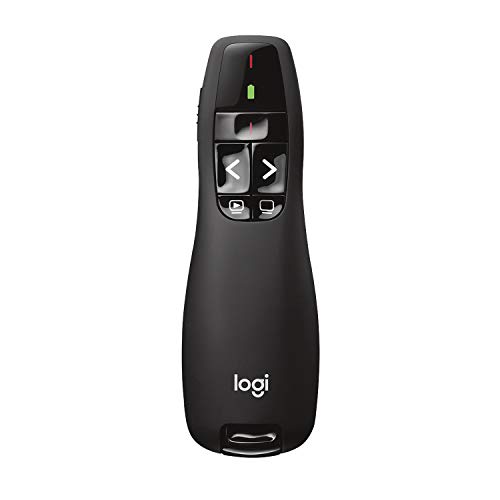
Logitech Wireless Presenter R400 USB A PowerPoint Clicker with Laser
- Presenter Mode with Laser Pointer: Built-in Class 2 red laser for presentations
- Easy Slide Control: Intuitive touch-keys for slideshow navigation
- Bright Red Laser: Highly visible against most backgrounds
As an affiliate, we earn on qualifying purchases.
As an affiliate, we earn on qualifying purchases.

MTEL Digital Literacy and Computer Science (71) Secrets Study Guide: MTEL Review and Practice Exam for the Massachusetts Tests for Educator Licensure
As an affiliate, we earn on qualifying purchases.
As an affiliate, we earn on qualifying purchases.