

The NIST AI Risk Management Framework helps you systematically identify, assess, and mitigate risks associated with AI systems while emphasizing ethical principles like fairness, transparency, and accountability. It guides organizations in creating trustworthy AI that aligns with societal values and reduces biases. By following this framework, you can better manage potential ethical dilemmas, improve transparency, and build responsible AI solutions. To understand how this framework can work for you, explore the details further.
Key Takeaways
- Provides a structured approach for identifying, assessing, and mitigating risks in AI systems.
- Emphasizes integrating ethical principles like fairness, transparency, and accountability into AI development.
- Guides organizations in implementing responsible AI practices aligned with societal values.
- Supports risk management throughout the AI lifecycle, fostering trust and reliability.
- Addresses organizational and cultural challenges to promote ethical and trustworthy AI deployment.
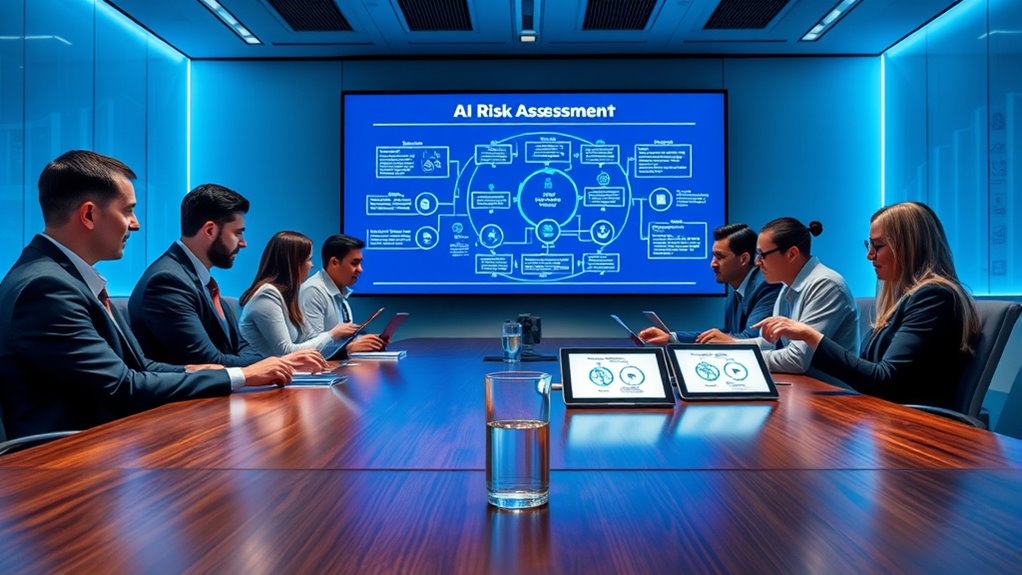
The NIST AI Risk Management Framework provides a structured approach for organizations to identify, assess, and mitigate potential risks associated with artificial intelligence systems. As you work to implement AI solutions, understanding this framework helps you navigate the complex landscape of risks and benefits. One of the key aspects it emphasizes is ethical considerations, urging you to prioritize fairness, transparency, and accountability throughout your AI development and deployment processes. These principles aren’t just idealistic; they’re essential to creating trustworthy AI that serves your organization and society responsibly. By integrating ethical considerations into every stage, you can reduce biases, prevent discriminatory outcomes, and foster public confidence in your AI systems.
However, adopting this framework isn’t without its implementation challenges. You might find it difficult to align your existing processes with the extensive, often evolving standards outlined by NIST. For instance, establishing clear lines of accountability can be complicated, especially in large or multi-stakeholder environments. Additionally, ensuring transparency in AI decision-making can be technically demanding, requiring sophisticated tools and ongoing oversight. The challenge becomes even more pronounced when balancing the need for innovation with risk mitigation—finding the right mix of agility and control isn’t straightforward. These implementation hurdles can slow down your progress or lead to gaps in your risk management strategy if not carefully addressed.
Implementing the NIST framework challenges your processes, accountability, transparency, and balancing innovation with risk management.
Moreover, integrating the NIST framework into your organizational culture requires more than just technical adjustments. You’ll need to foster awareness and buy-in from leadership and staff, which can involve significant training and change management efforts. Resistance to change, resource constraints, and misunderstandings about the framework’s scope are common hurdles you’ll encounter. It’s also essential to stay adaptable, as the rapidly evolving AI landscape means that new risks and best practices continually emerge. Your challenge is to continuously update your risk management processes to stay aligned with both technological advances and ethical standards. Staying informed about AI in Education and other emerging applications can also help you anticipate unique risks and opportunities in your sector.
Despite these challenges, the framework offers valuable guidance for systematically managing AI risks. It encourages you to develop a clear understanding of potential ethical dilemmas, establish robust governance structures, and implement best practices for risk mitigation. While it may require upfront investment and effort, doing so ensures your AI systems are safer, more transparent, and aligned with societal values. Ultimately, embracing the NIST AI Risk Management Framework helps you build AI solutions that are not only innovative but also responsible and trustworthy—an essential step in today’s AI-driven world.

Career Clarifier Online Career Test & Workbook | Receive 15+ Best-Fit Career Recommendations with AI Risk Ratings | Ideal for College Grads of Any … and College Bound High Student Students
CHOOSE THE RIGHT COLLEGE MAJOR – For teens and college students, discover which majors will best prepare you…
As an affiliate, we earn on qualifying purchases.
As an affiliate, we earn on qualifying purchases.
Frequently Asked Questions
How Does Nist’s Framework Differ From Other AI Risk Standards?
You’ll find NIST’s framework differs from other AI risk standards by emphasizing thorough technical specifications and ethical considerations. It offers practical, adaptable guidance tailored to diverse organizations, focusing on managing AI risks responsibly. Unlike some standards that are more abstract, NIST’s framework promotes concrete actions, ensuring ethical principles are integrated into technical processes. This approach helps you build trustworthy AI systems that align with both technical needs and societal values.
What Industries Can Most Benefit From Implementing This Framework?
Imagine balancing technological innovations with ethical considerations—industries like healthcare, finance, and autonomous vehicles can’t afford to overlook AI risks. By implementing this framework, you guarantee responsible AI use, fostering trust and safety. It helps you navigate complex challenges, mitigate bias, and align with ethical standards, so your organization stays ahead in innovation without compromising integrity or public confidence. This proactive approach benefits sectors where AI impacts lives directly.
Are There Specific Tools Recommended for Compliance?
You should look into AI tools and compliance software tailored for risk management. These tools help you identify, assess, and monitor AI-related risks efficiently. Many vendors offer specialized compliance software designed to align with NIST’s framework, ensuring you meet regulatory requirements. By integrating these tools into your processes, you can streamline compliance efforts, enhance transparency, and better manage AI risks across your organization.
How Often Should Organizations Review Their AI Risk Management Practices?
Like a lighthouse guiding ships through fog, your AI risk management needs constant vigilance. You should review your practices regularly—at least annually—and whenever significant changes occur. Prioritize continuous assessment to catch new risks early and involve stakeholders to ensure diverse perspectives. This ongoing engagement helps you adapt strategies, maintain compliance, and navigate the evolving landscape of AI safely and responsibly.
What Are the Main Challenges in Adopting Nist’s Framework?
You might face challenges like ethical dilemmas and cultural barriers when adopting NIST’s framework. Ethical dilemmas arise as you balance innovation with potential societal impacts, while cultural barriers can hinder organization-wide acceptance of new practices. Overcoming these issues requires clear communication, tailored training, and fostering a culture of trust and responsibility. Addressing these challenges proactively helps you integrate the framework effectively, ensuring responsible and consistent AI risk management across your organization.
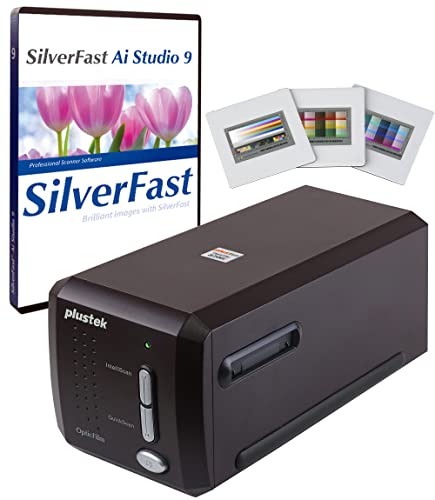
Plustek OpticFilm 8300i Ai Film Scanner – Converts 35mm Film & Slide into Digital, Bundle SilverFast Ai Studio 9 + QuickScan Plus, Include Advanced IT8 Calibration Target (3 Slide)
[NewlyLaunched] OpticFilm 8300i Ai equipped with new generation of chip, which increase by 38% scan speed compared to…
As an affiliate, we earn on qualifying purchases.
As an affiliate, we earn on qualifying purchases.
Conclusion
By adopting NIST’s AI Risk Management Framework, you can confidently navigate the complexities of AI development, knowing you’re prioritizing safety and ethics. Imagine a future where responsible AI safeguards trust and innovation. It’s not just a theory—it’s a proven path toward a safer, more accountable technological landscape. Embrace this framework, and you become part of the solution, shaping a world where AI benefits everyone without risking our shared values.

AI Ethics: Status of the Present, Ethical Dilemmas, and Frameworks for the Practical Mind
As an affiliate, we earn on qualifying purchases.
As an affiliate, we earn on qualifying purchases.

The AI Infused Classroom
As an affiliate, we earn on qualifying purchases.
As an affiliate, we earn on qualifying purchases.